Post
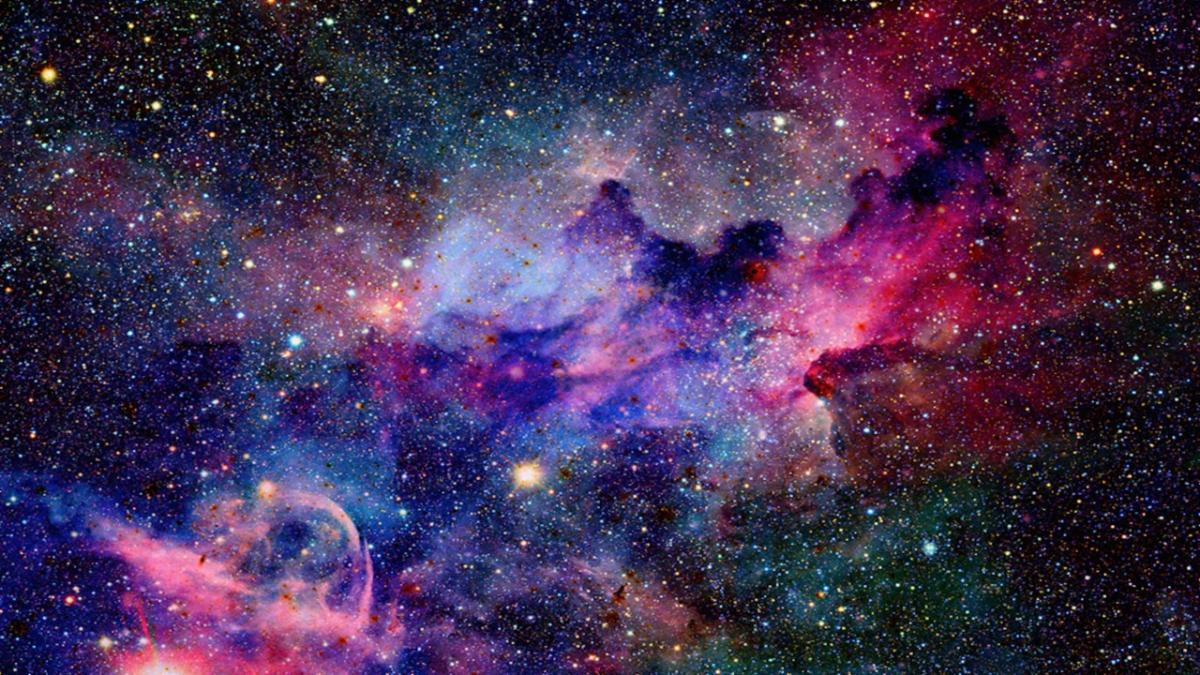
WOW . . . Look at this picture of the UNIVERSE just released . . . just stare at it!!!!!!!!!
Apparently the President couldn’t wait until tomorrow …

WOW.
The President just released this image from the James Webb …
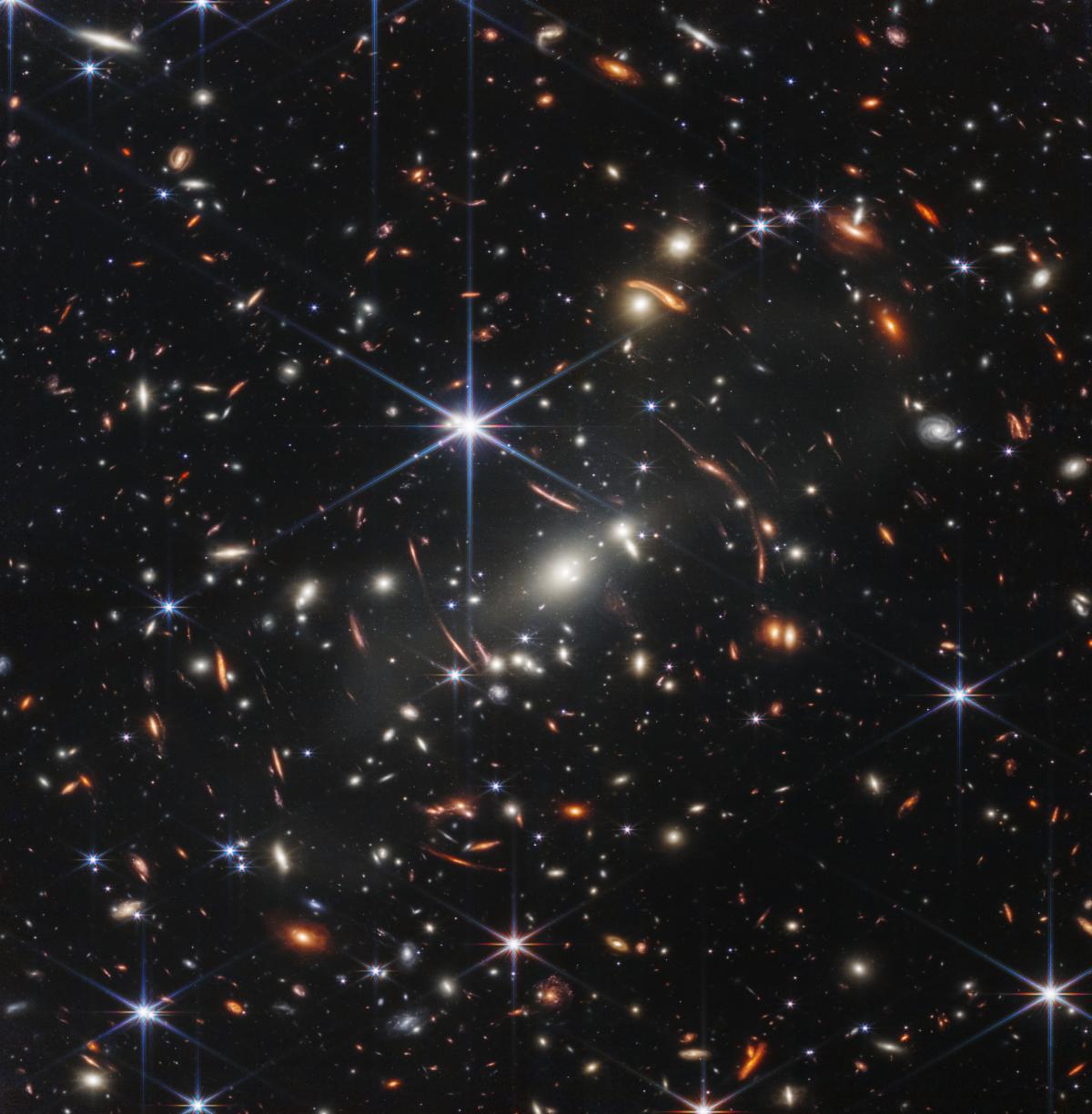
It’s the farthest we’ve ever seen into the universe. No wonder why the President released it early! He just got too excited! I get it!!! Just stare at this. Look at the detail. It almost looks fake. Geeze. Tomorrow is the big release at 9:30 am! New York Times article: “Goose Bumps Build for Webb’s First Snapshots of the Universe.”
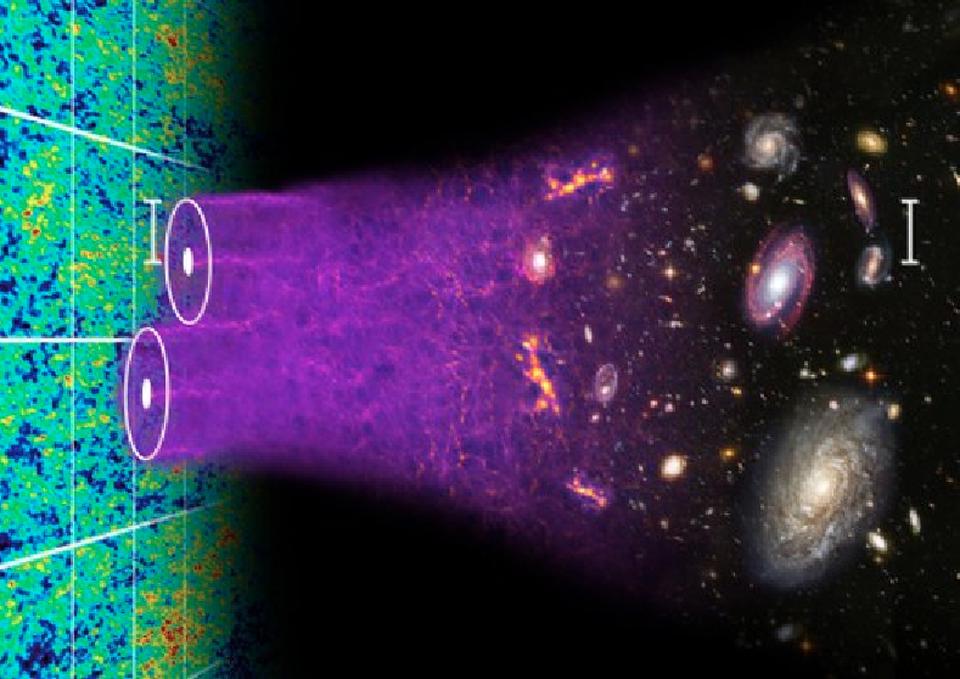
----“We will find something weird.
We always do.”
Every time we put one of these new things into space, we find something weird. I don’t think the answers will come tomorrow. Tomorrow is more about pictures than the science … but wow the pictures!
Jed’s suggestion before tomorrow … before tomorrow’s NASA press conference … watch Carl Sagan’s “Pale Blue Dot” (3 minutes).
CARL SAGAN IS A POET!
s
S
How big really is this whole thing?????????? How simple really is this whole thing??????
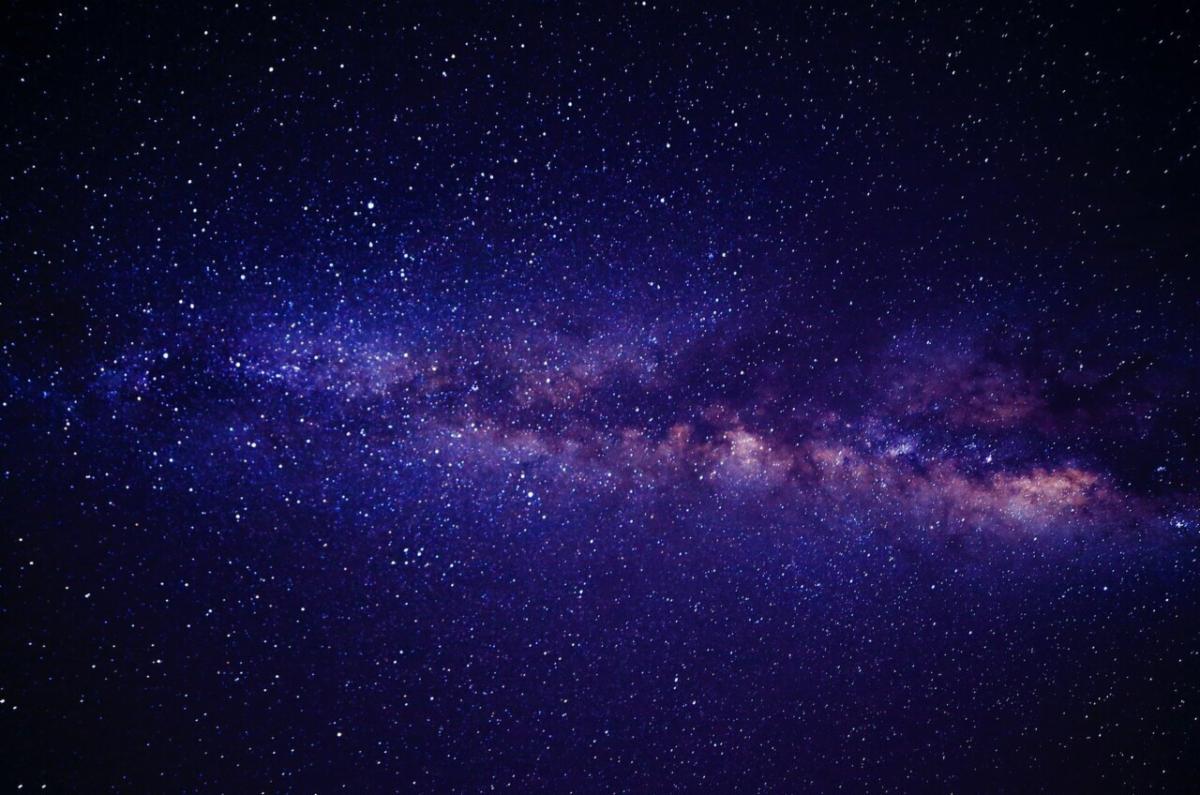
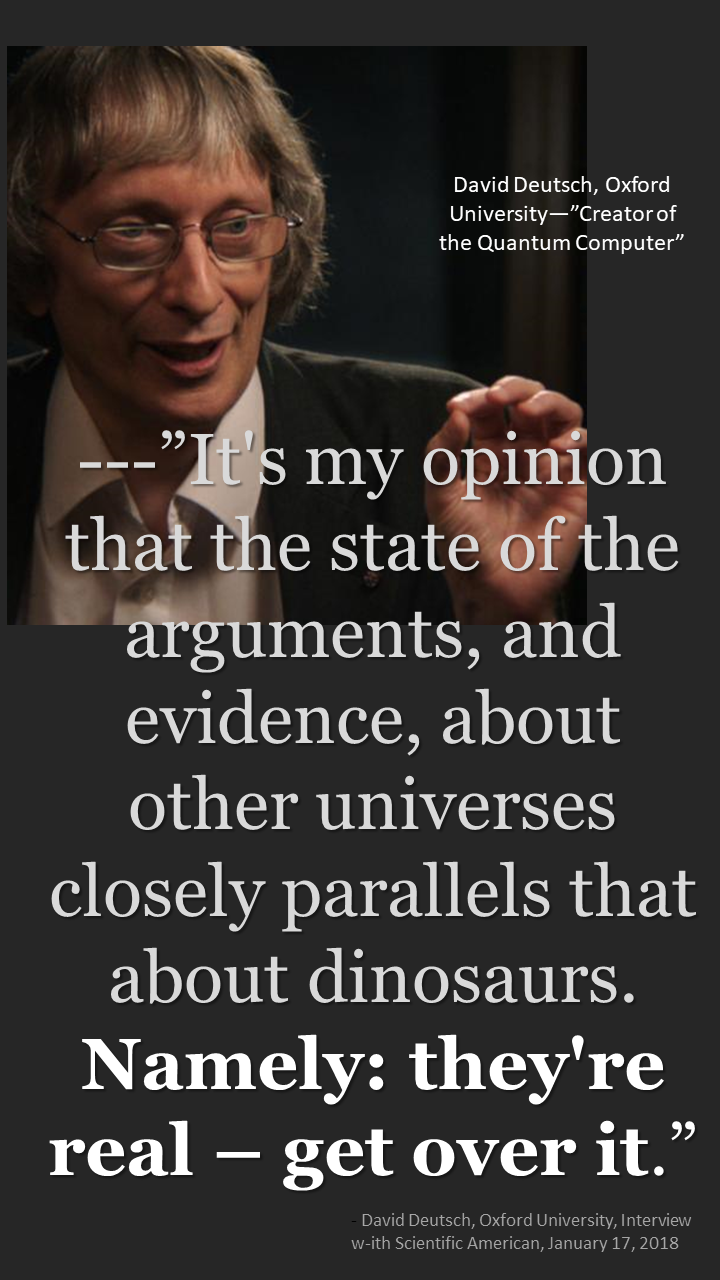
… “To think that our big bang was the only bang seems at this point to be a bit narrow-minded, anthropocentric, and in contradiction to the continual iconoclastic evolution in our cosmological understanding.”
- Jed Anderson, EnviroAI

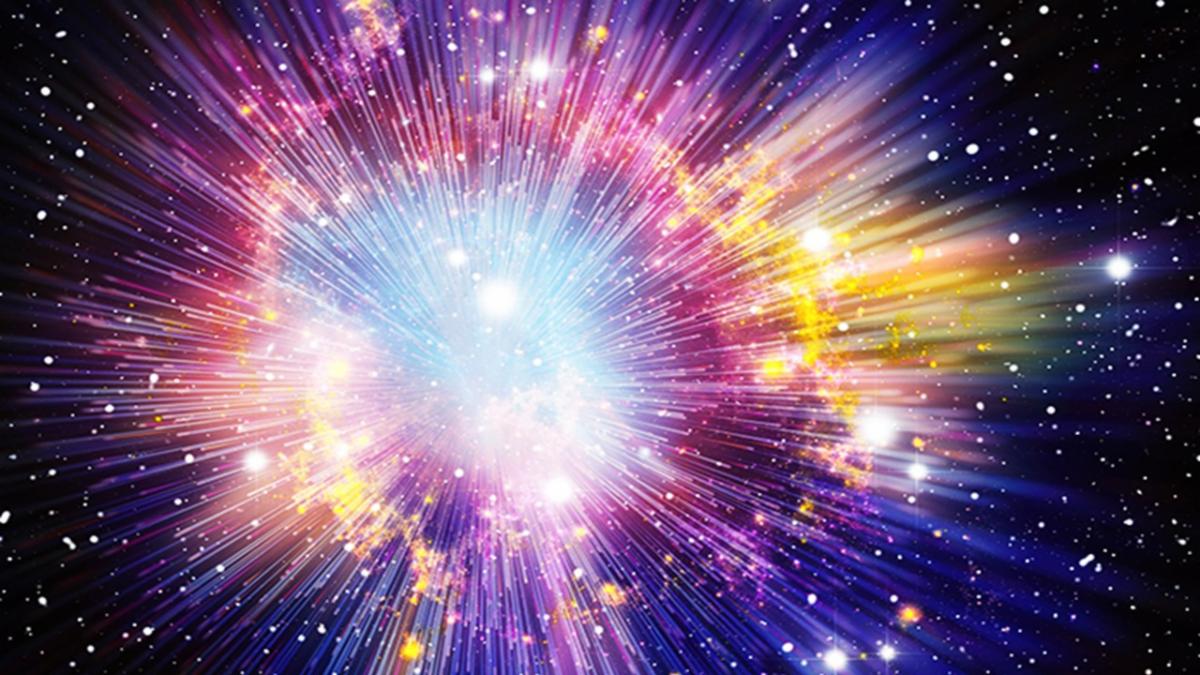
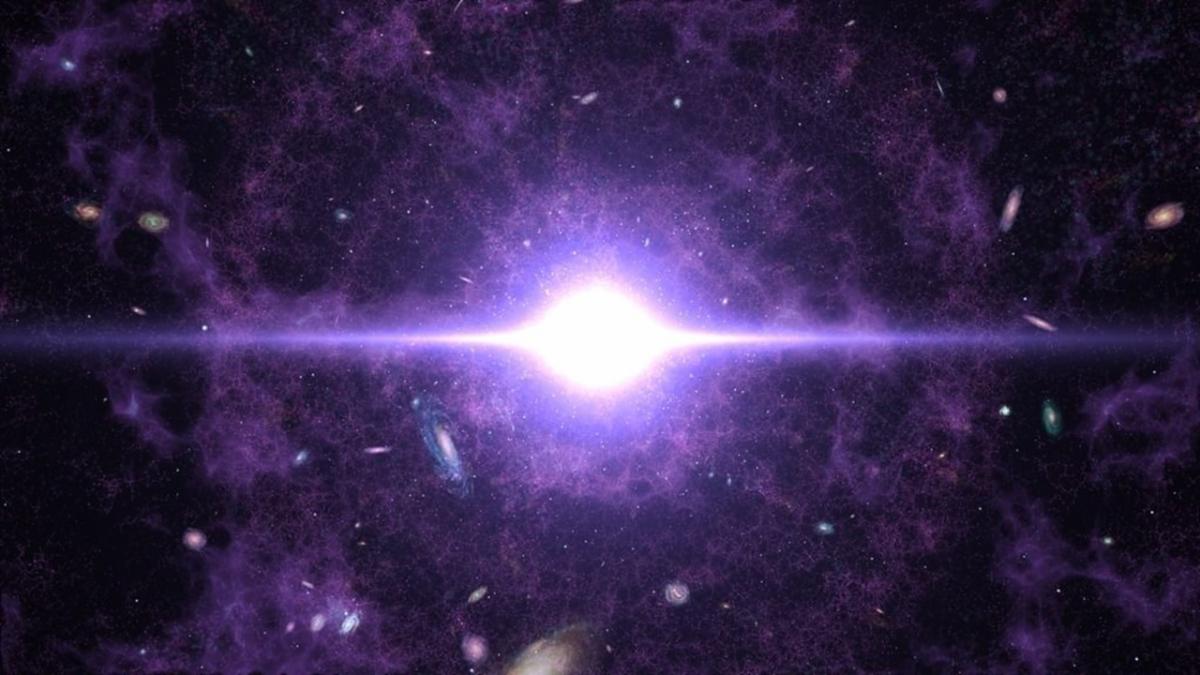
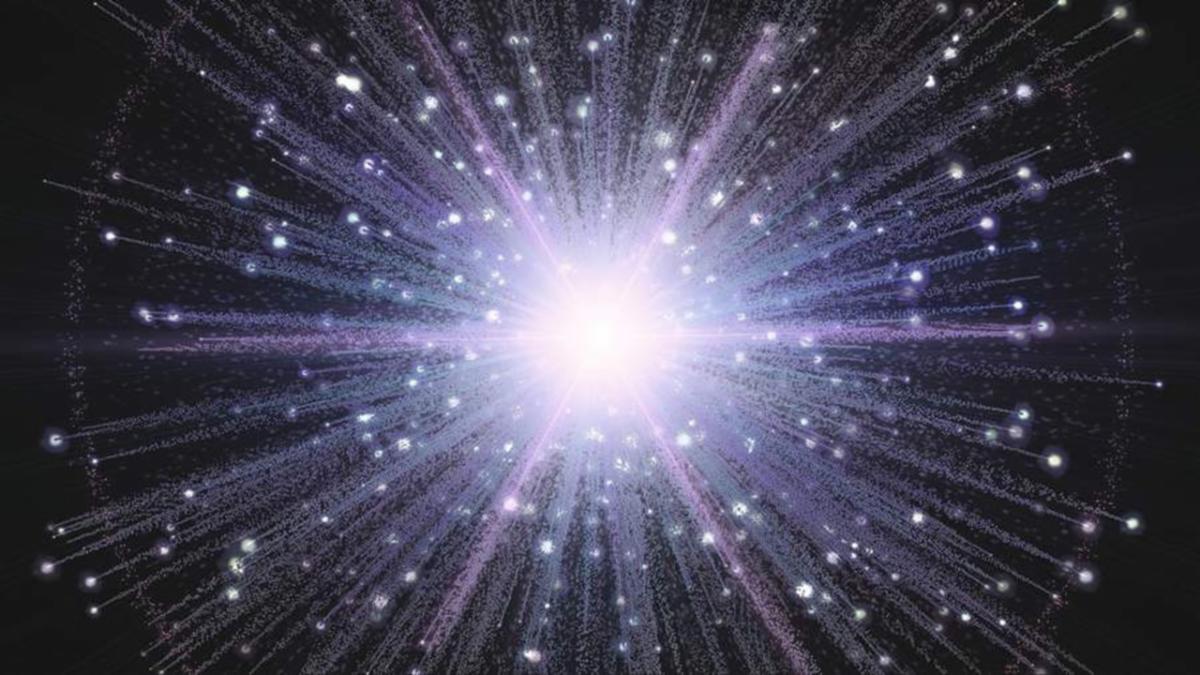
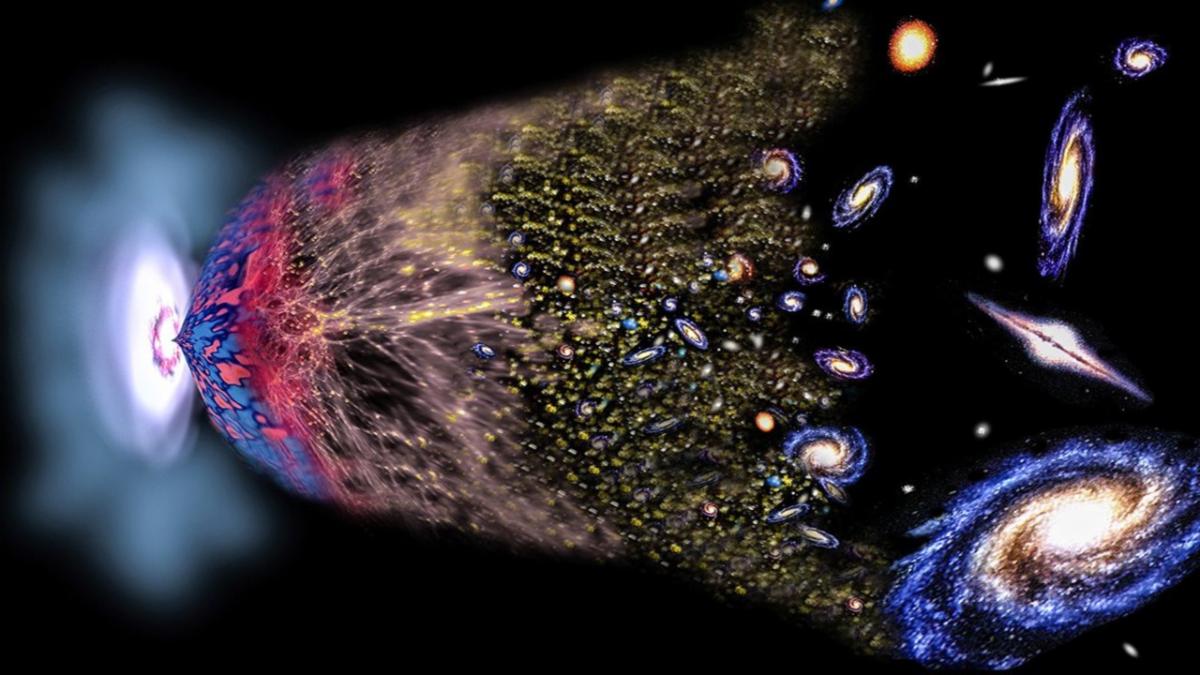
The continual iconoclastic evolution in our cosmological understanding …
- Our Earth is round not flat (this notion of a round earth is contrary to intuition and most of our everyday experience) - 500 B.C. (Pythagorus) [Eratosthenes calculated circumference in 240 B.C. and of course Columbus didn’t sail off the edge of the earth when he tried it almost 2000 years later]
- Our Earth isn’t the center of the universe[earth rotates around the sun] - 240 B.C. (Aristarchus) [Calculations by Copernicus in 1532 and astronomical observations by Galileo in 1632]
- Our sun isn’t the center of the universe[stars are other suns] - 450 B.C. (Anaxagoras) [Bruno in 1584 and then Angelo Secchi proved through spectroscopy in 1860]
- Our galaxy isn’t the center of the universe - 964 (Azophi) [Later Kant, Messier, Shapley, and finally Edwin Hubble … January 1, 1925”The day we discovered the universe”]
- Our universe isn’t the center of the Universe [or Multiverse]- _____?



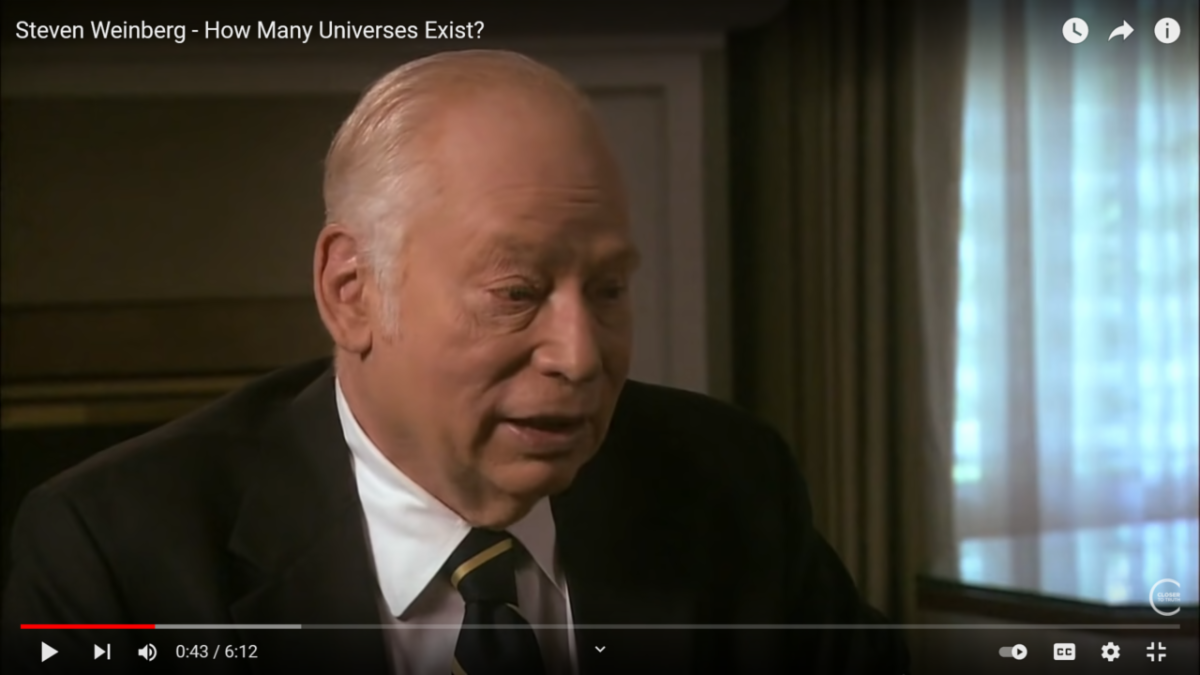


How many universes?Interview with Steven Weinberg, recently deceased University of Texas Professor and Nobel Prize Winner in Physics.


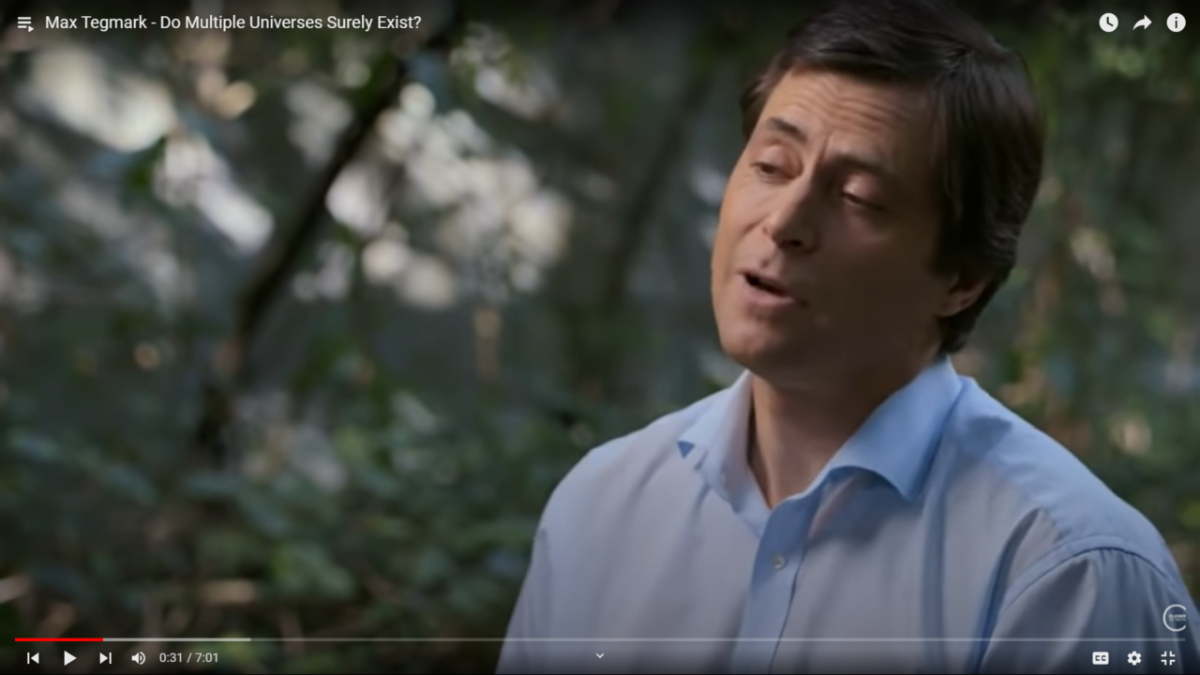


How many universes? Interview with Max Tegmark, MIT Professor of Physics.

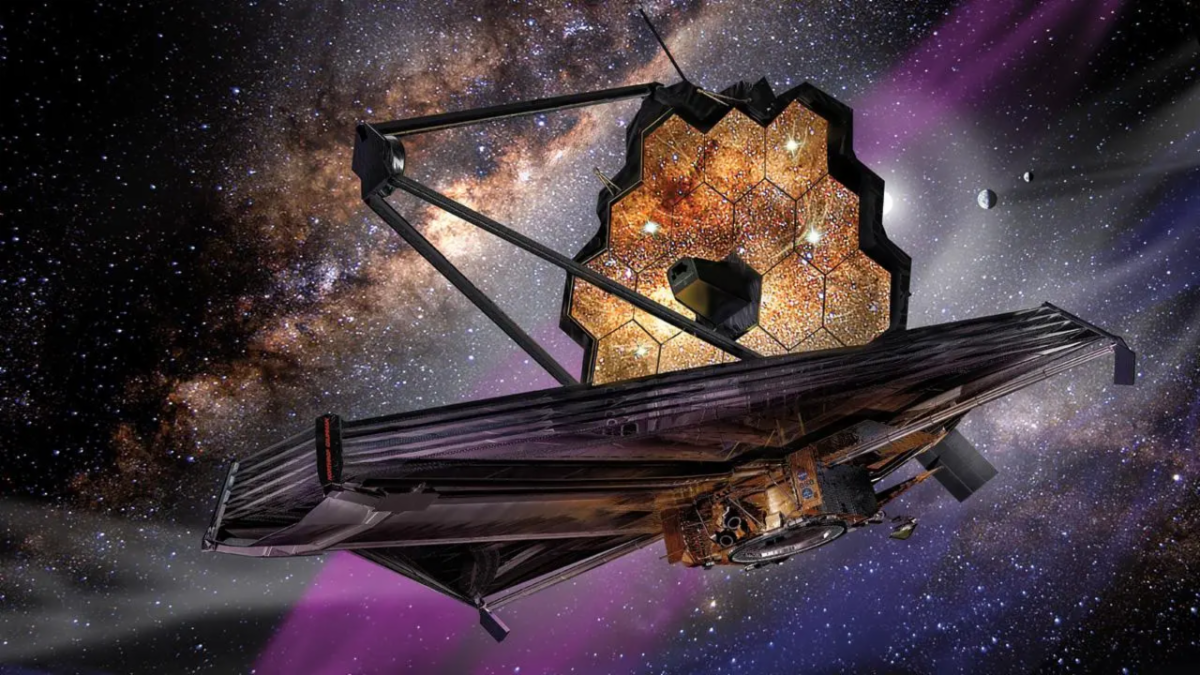
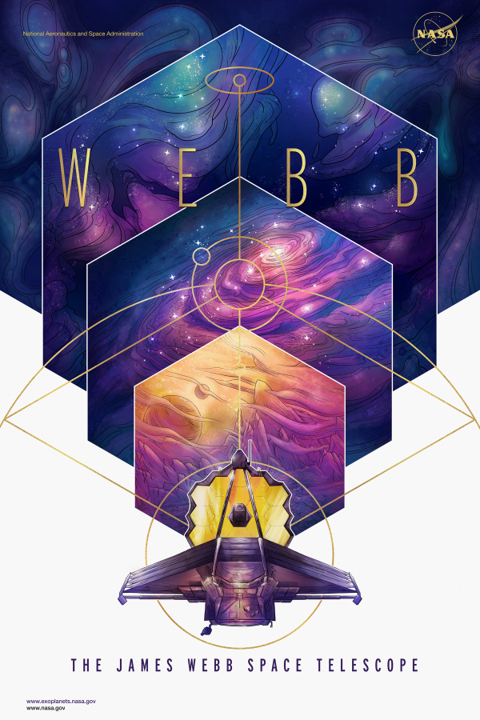
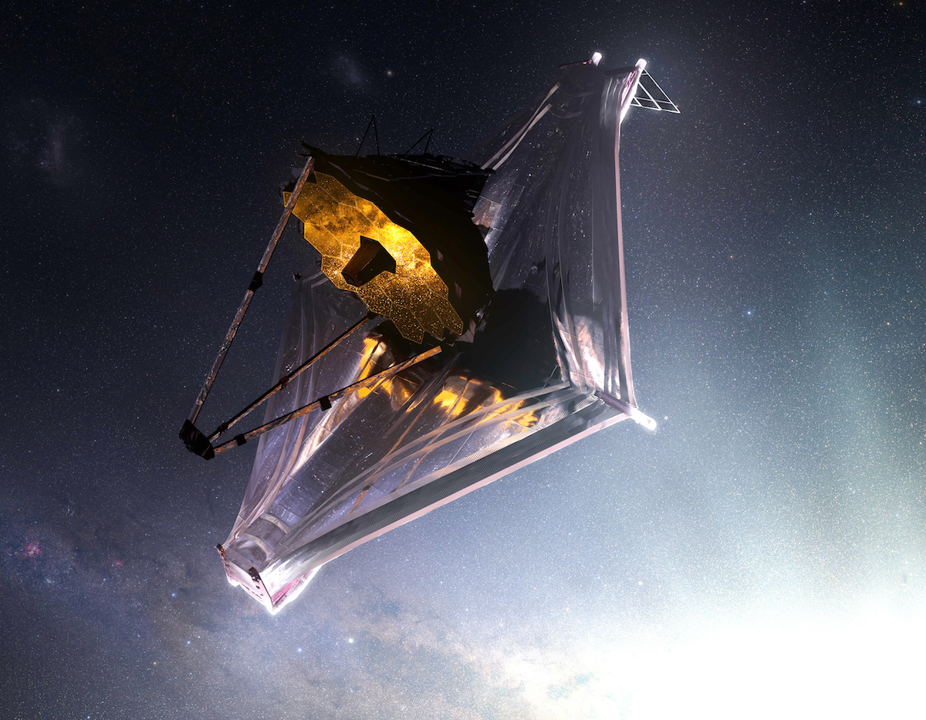
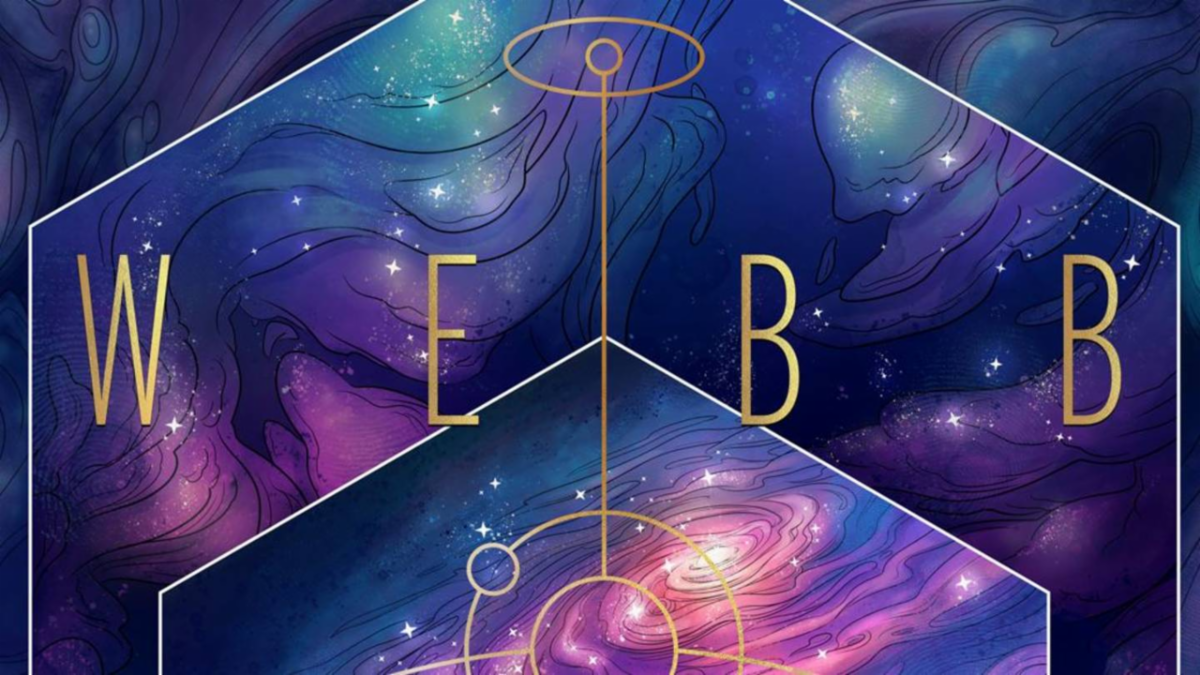
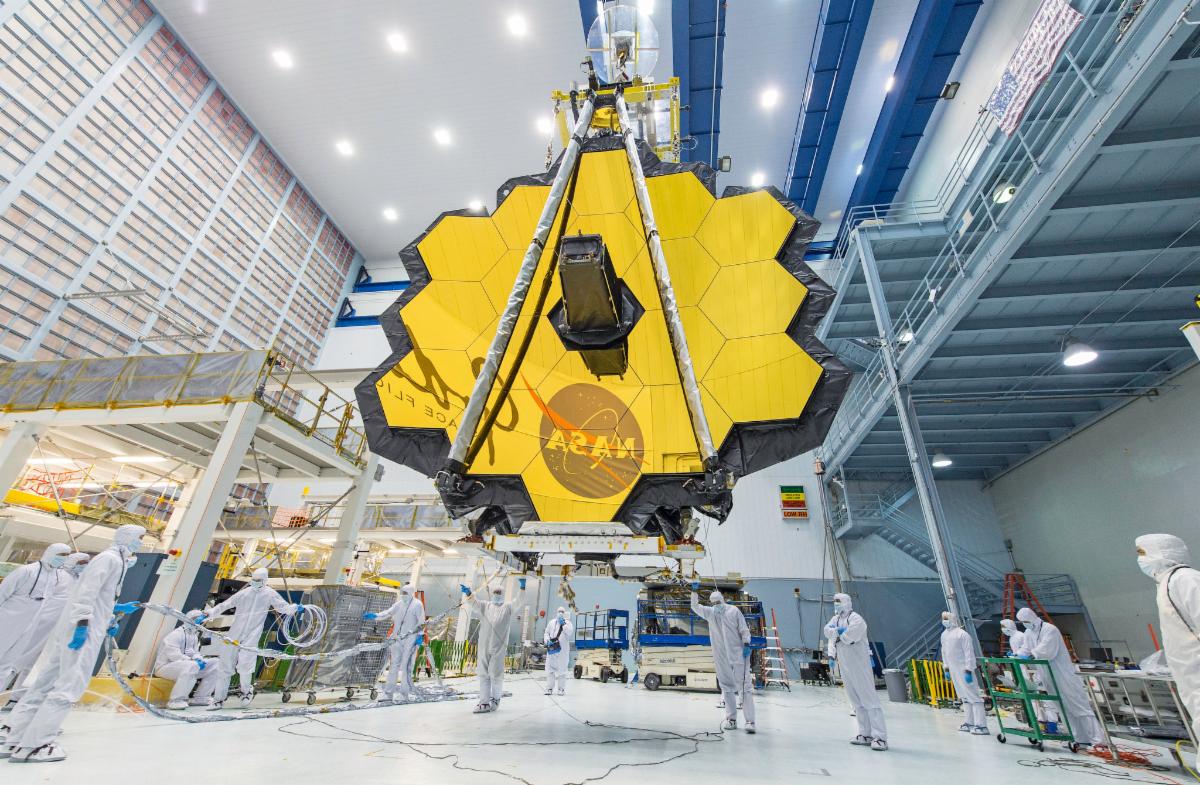
James Webb Space Telescope
---“Simplicity machine.”
- Jed Anderson
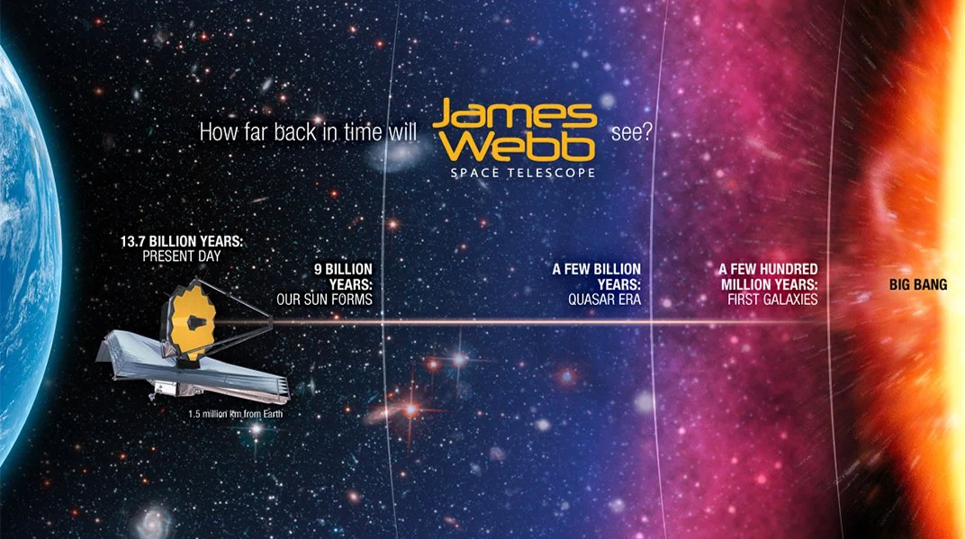
---“Looking back 13.8 billion years to find out what is controlling the happening of now. It’s simpler.” - Jed Anderson
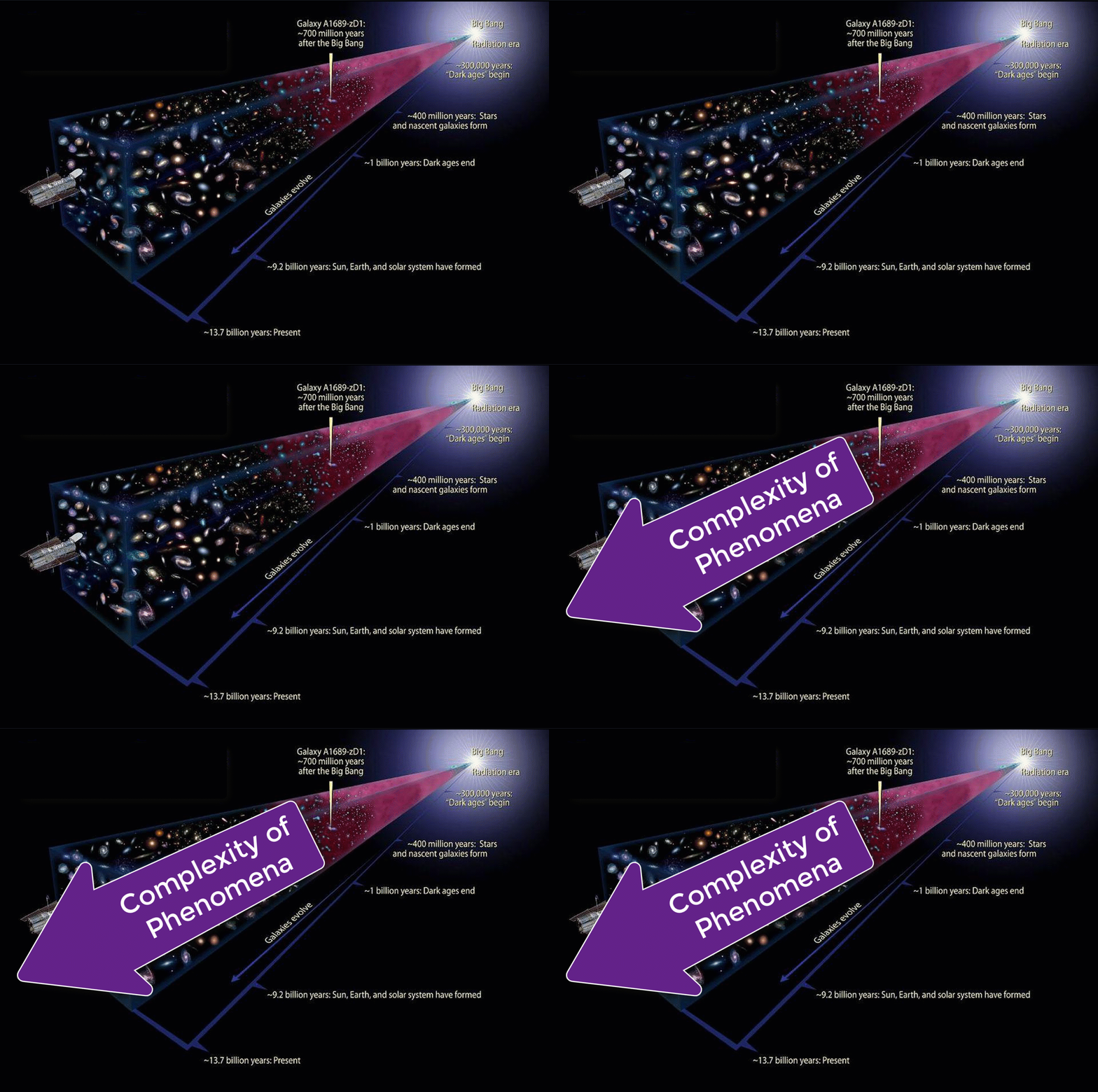
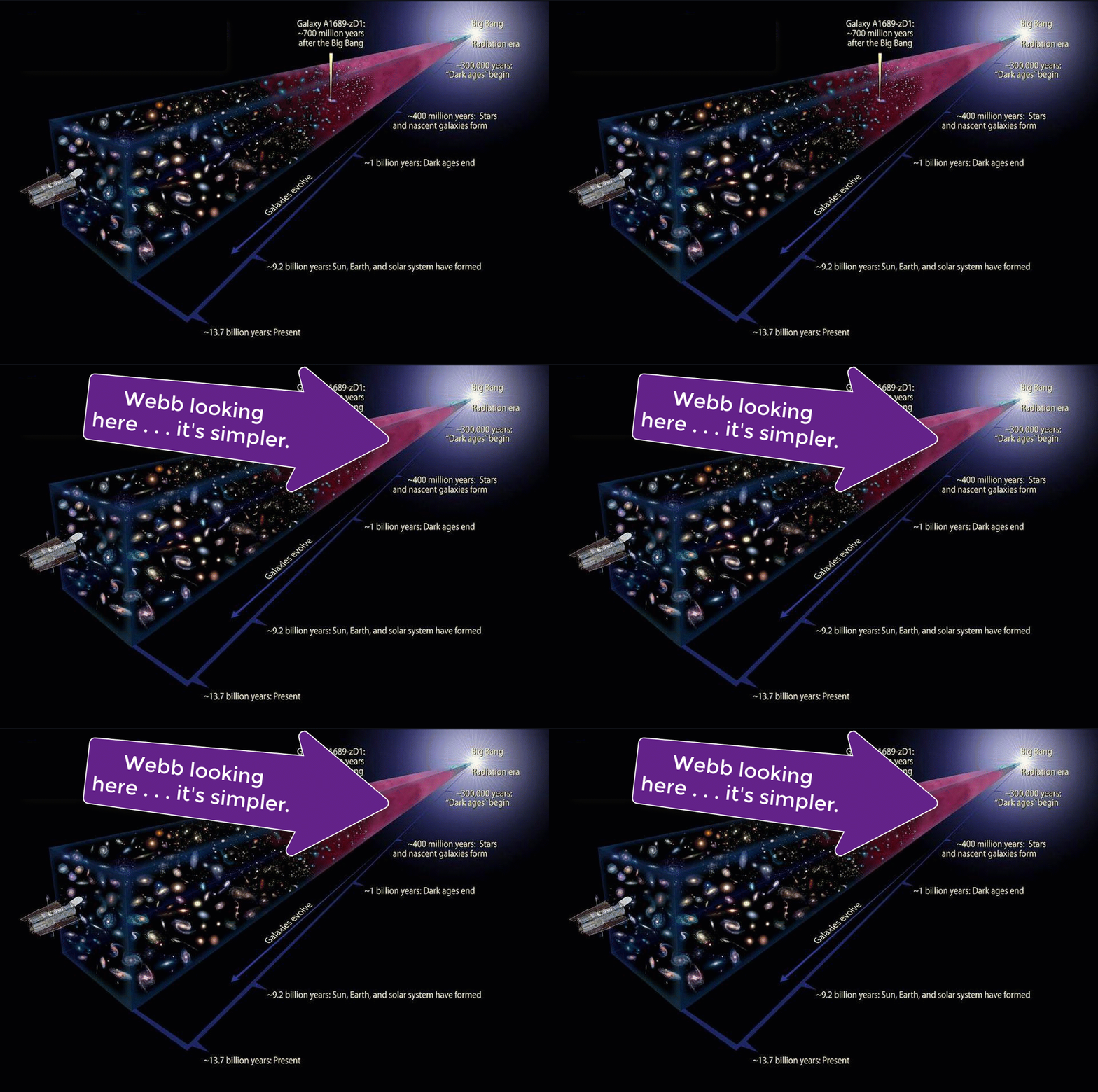
If you think of the universe as a computer, the longer the computer has run, the more data it generates, and the more difficult it becomes to sift through piles of data and phenomena to find the underlying patterns and laws.
But if you instead looked back when the computer had only run a couple times … finding the underlying simplicity in the laws and patterns is much, much easier.

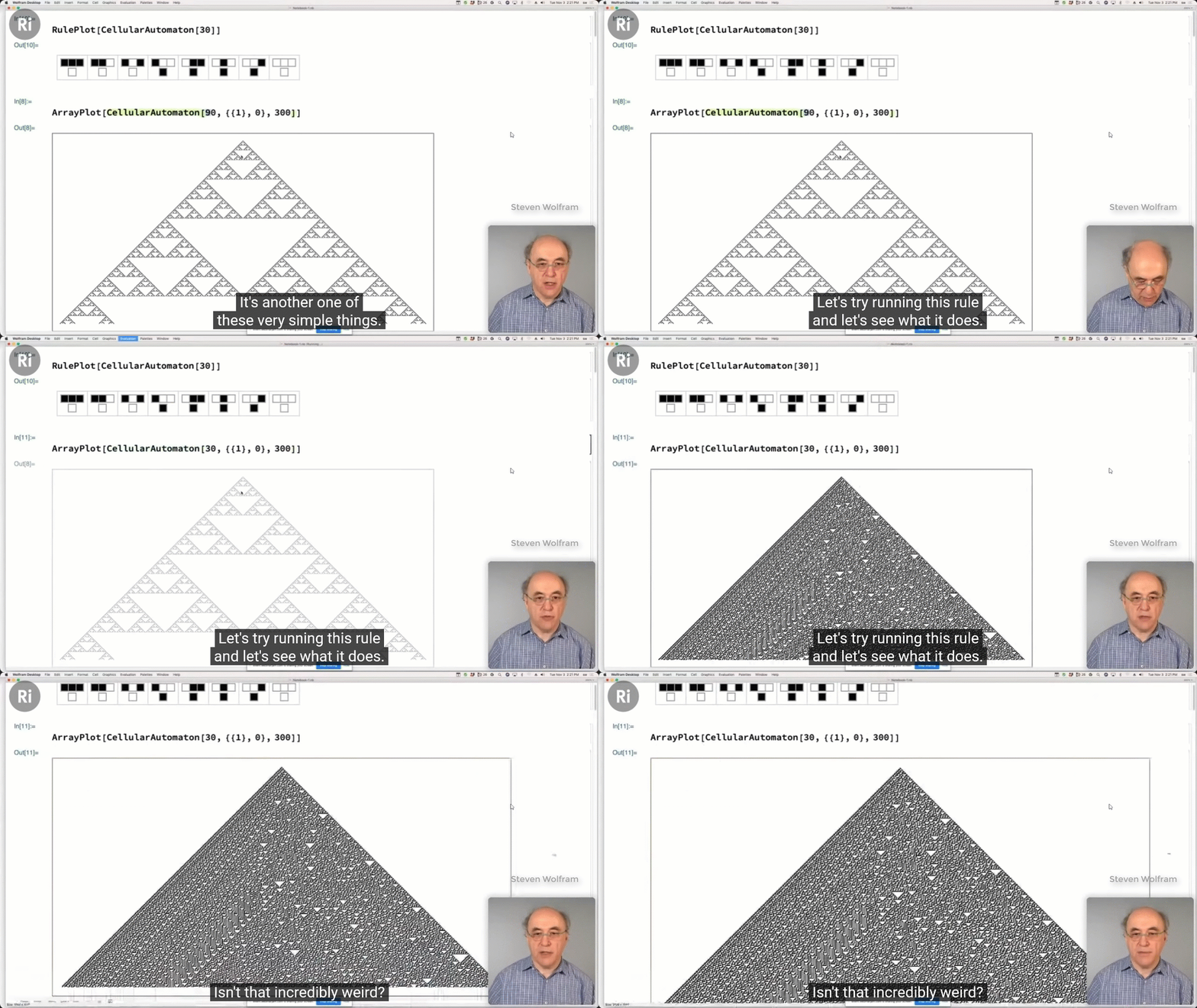
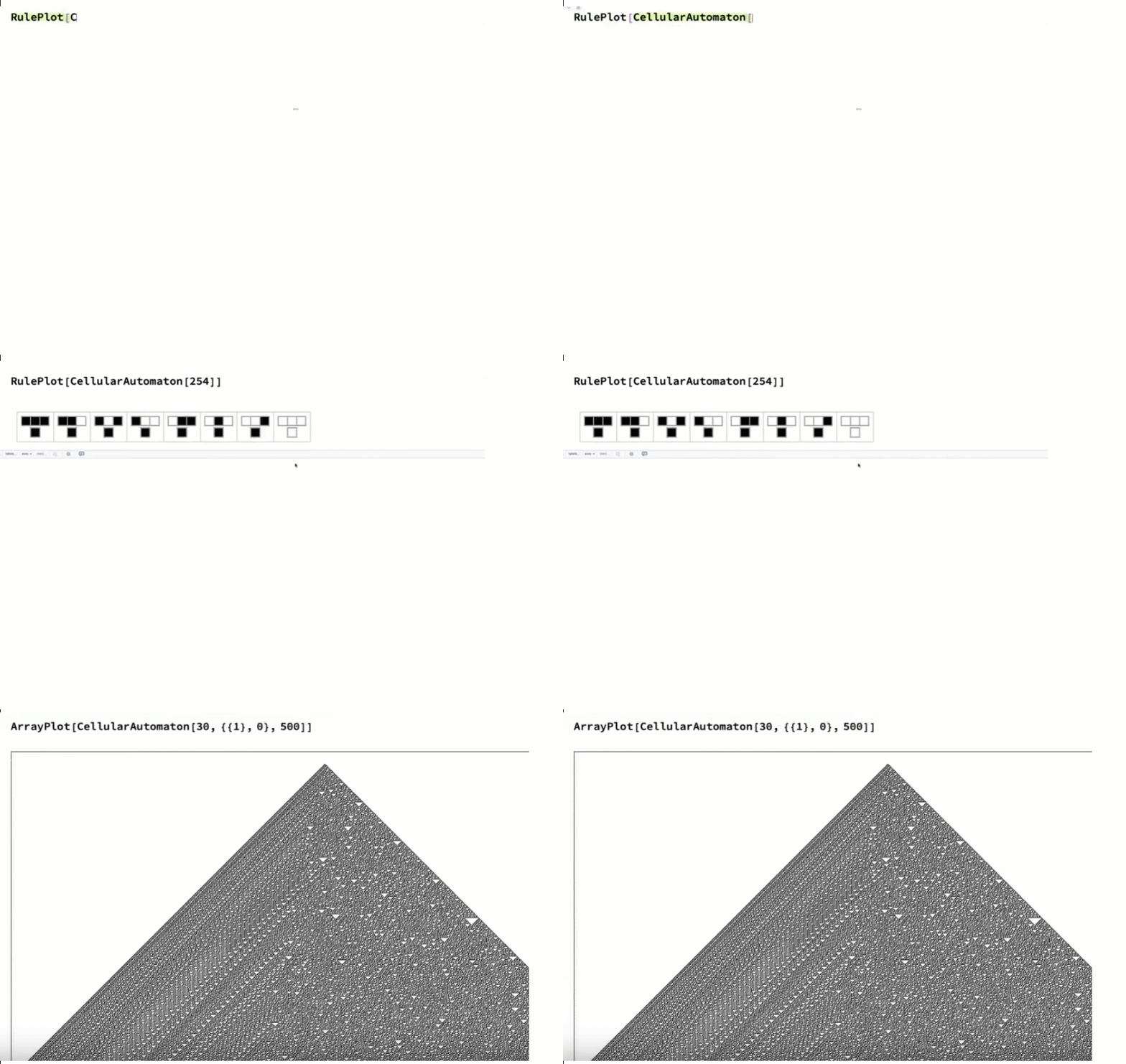
Here for example you can see Stephen Wolfram running very simple code 500 times … and the extremely complicated resulting phenomena.
[Perhaps the easiest way to realize the complexity of phenomena from simple code is life. All life is just A-C-T-G. It’s just the same 4 amino acids (DNA) in different combinations run trillions and trillions of times (evolution). That’s it. It’s so mind-bogglingly simple it’s difficult to perceive its simplicity.]
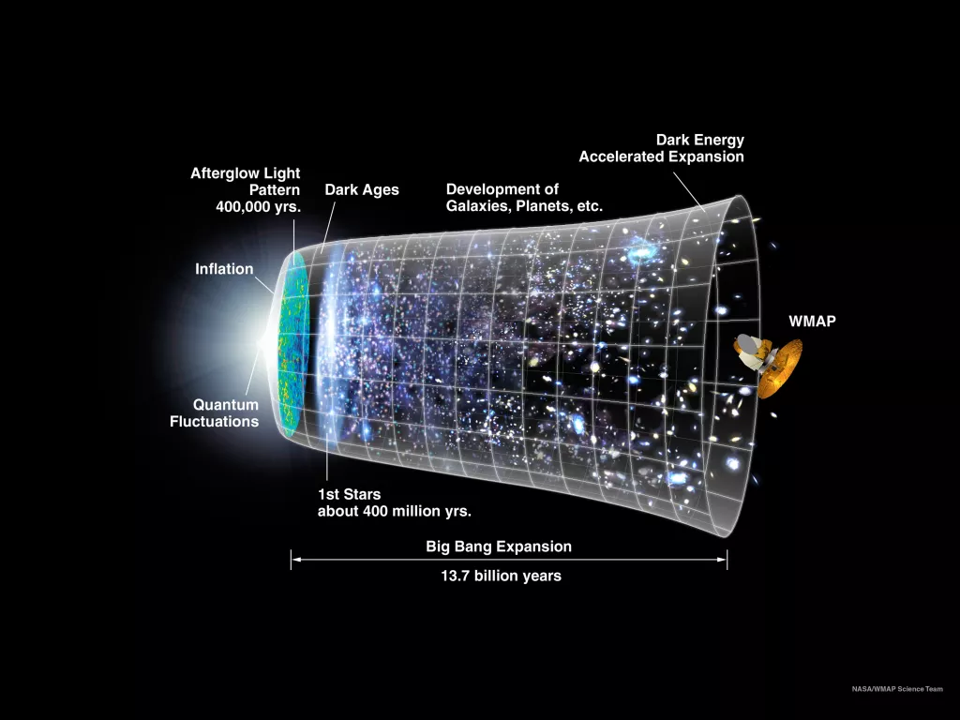
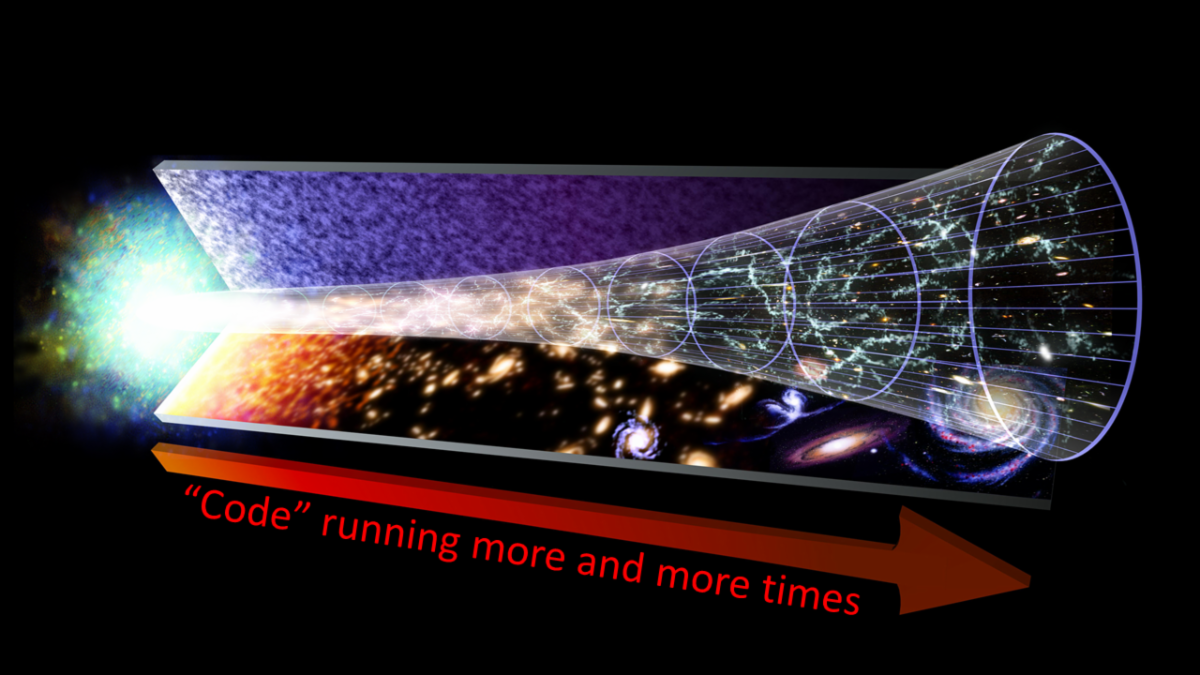
---“The universeseems to equalsimple physical laws or code (which we do not completely understand yet) running over, and over,and over, and over, and over, and over, and over, and over, and over, and over, and over, and over, and over, and over, and over, and over, and over (for 13.8 billion years and counting)… producing ever richer and more complex data (phenomena), and more data, and more data, and more data, and more data, and more data, and more data, and more data, and more data, and more data … until it’s so phenomenally complicated and rich that I’m yak-yakking right now with these computer keystrokes and you are doing whatever you are doing. Weird. Wild. Fun. How much richer and more complicated can the phenomena get, and we help make it—especially as humankind better understands the underlying simplicities driving this inflationary expansion? Hang onto your hats.”
- Jed Anderson, EnviroAI
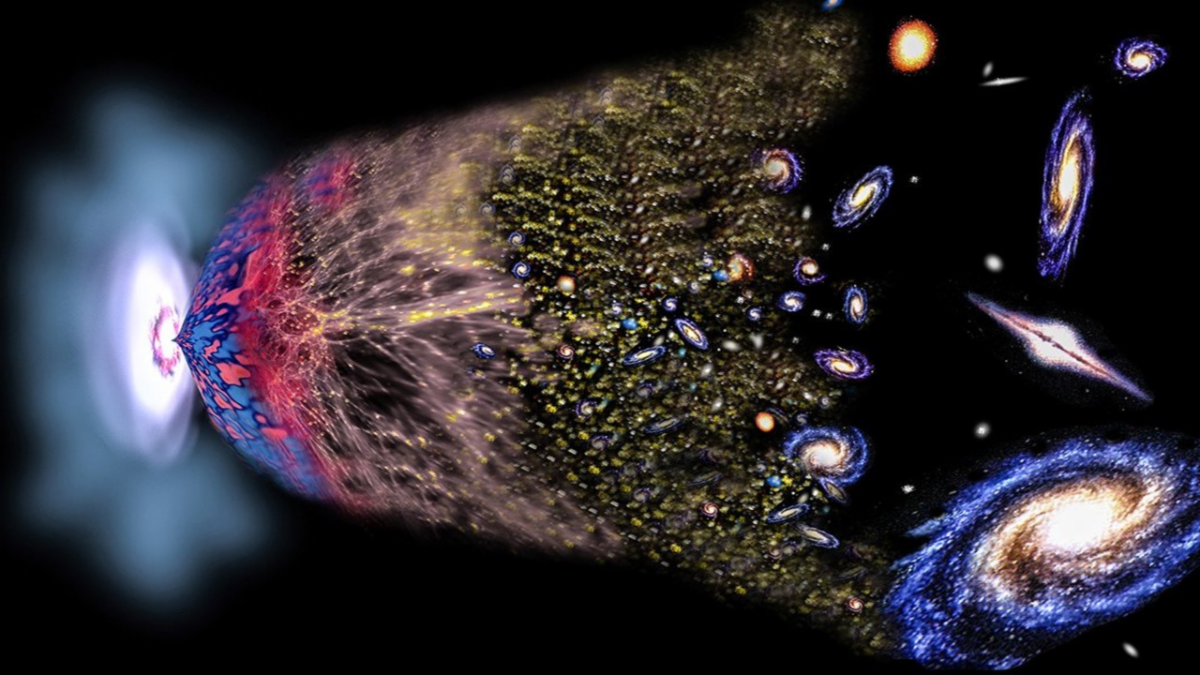
Simplicity.

The universe is simple - Richard Feynman
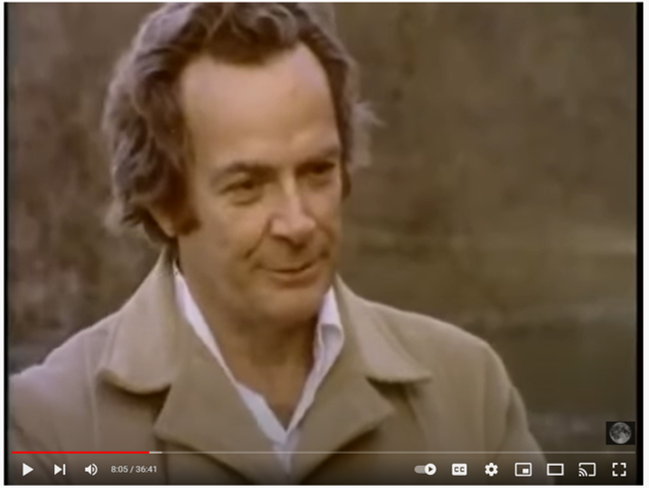
---“It[the universe] is not complicated … it’s just a lot of it.”
---Richard Feynman

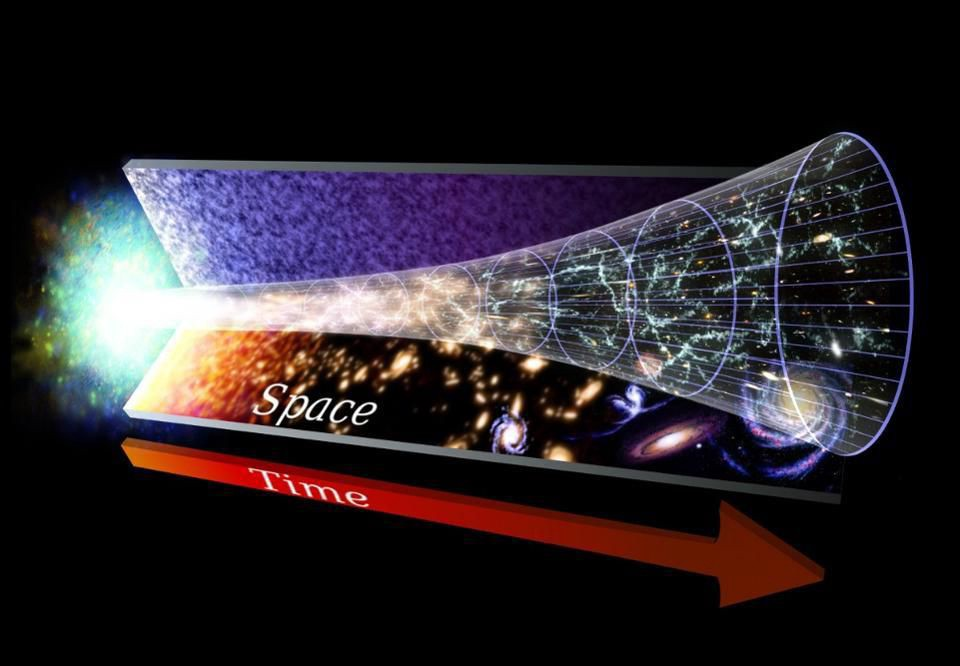
Simple start. Simple rules.
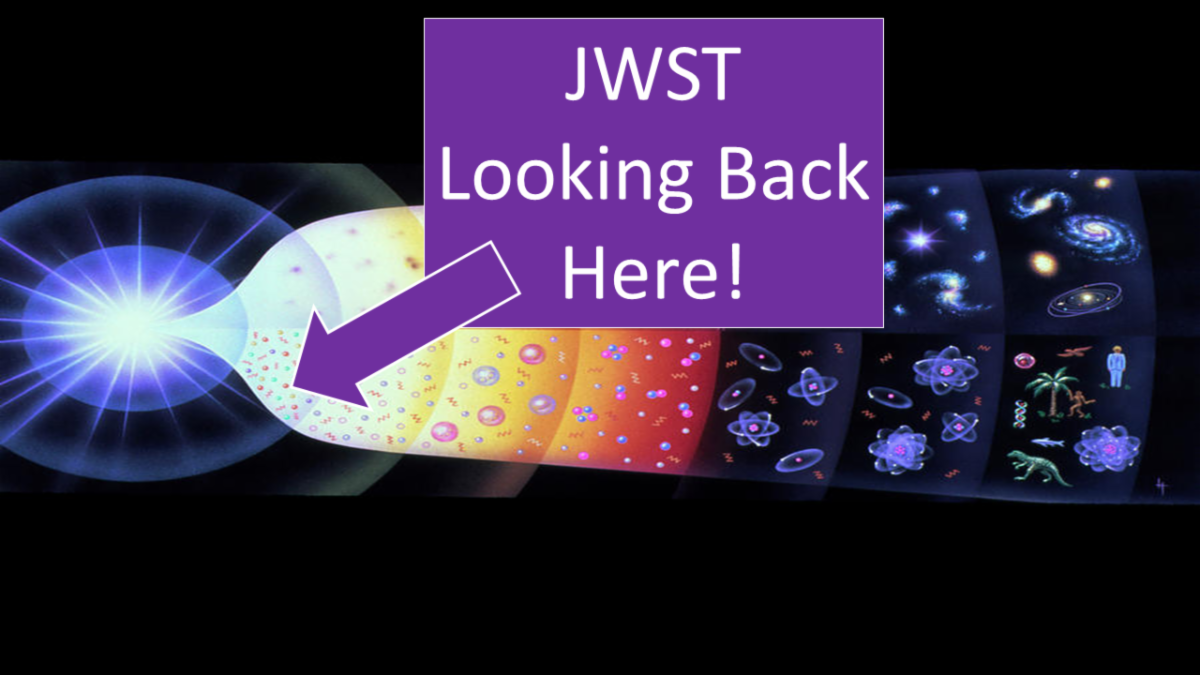
As you can see in the graphic below, everything in the universe can be traced back to a very simple start. Simple start. Simple rules. The more we understand the underlying simplicity in everything, the more we can create new phenomena with richer and more complicated attributes.
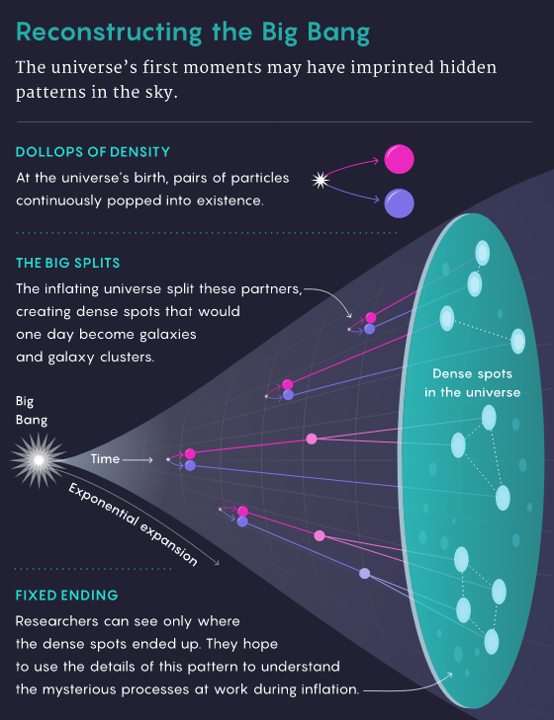






---“The more we understand the simplicity in everything around us … the more we can produce richer and more complex phenomena.” - Jed Anderson, EnviroAI

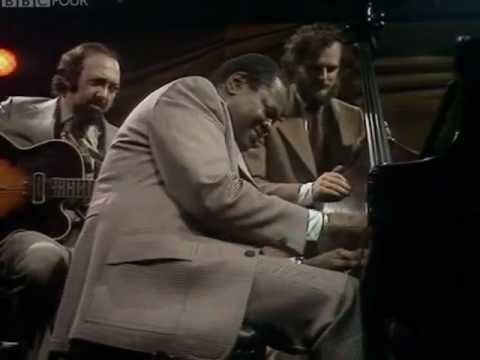
Oscar Peterson’s ability to recognize patterns in nature and creatively rearrange them was scary. Scary. Oscar was a genius. Remember when you watch this solo, Oscar is only manipulating 12 notes. That’s it. Just 12 notes. It’s because Oscar understood the simplicity that he was able to produce such complex phenomena (see below). Genius.
I personally think this is the greatest solo of all time. The chord and style changes are dizzying. Just try watching Oscar’s brain as he is imagining and working through this. It leaves you breathless. And the reaction of the jazz greats he is playing with is priceless. Priceless. They seem to almost not believe what they are hearing.


---“Simplification … not only of the laws of physics … but the laws of humankind.” - Jed Anderson
---“Grace is not doing away with law. It’s fulfillment of law. It’s simplicity of law. ”
---“Law is good. But it is not the end. It’s only purpose is to point toward grace … toward something simpler and more profound.”
—“Grace is satisfaction of complicated don’ts with a simple do.”
---“Grace is the ultimate simplicity.”
- Jed Anderson

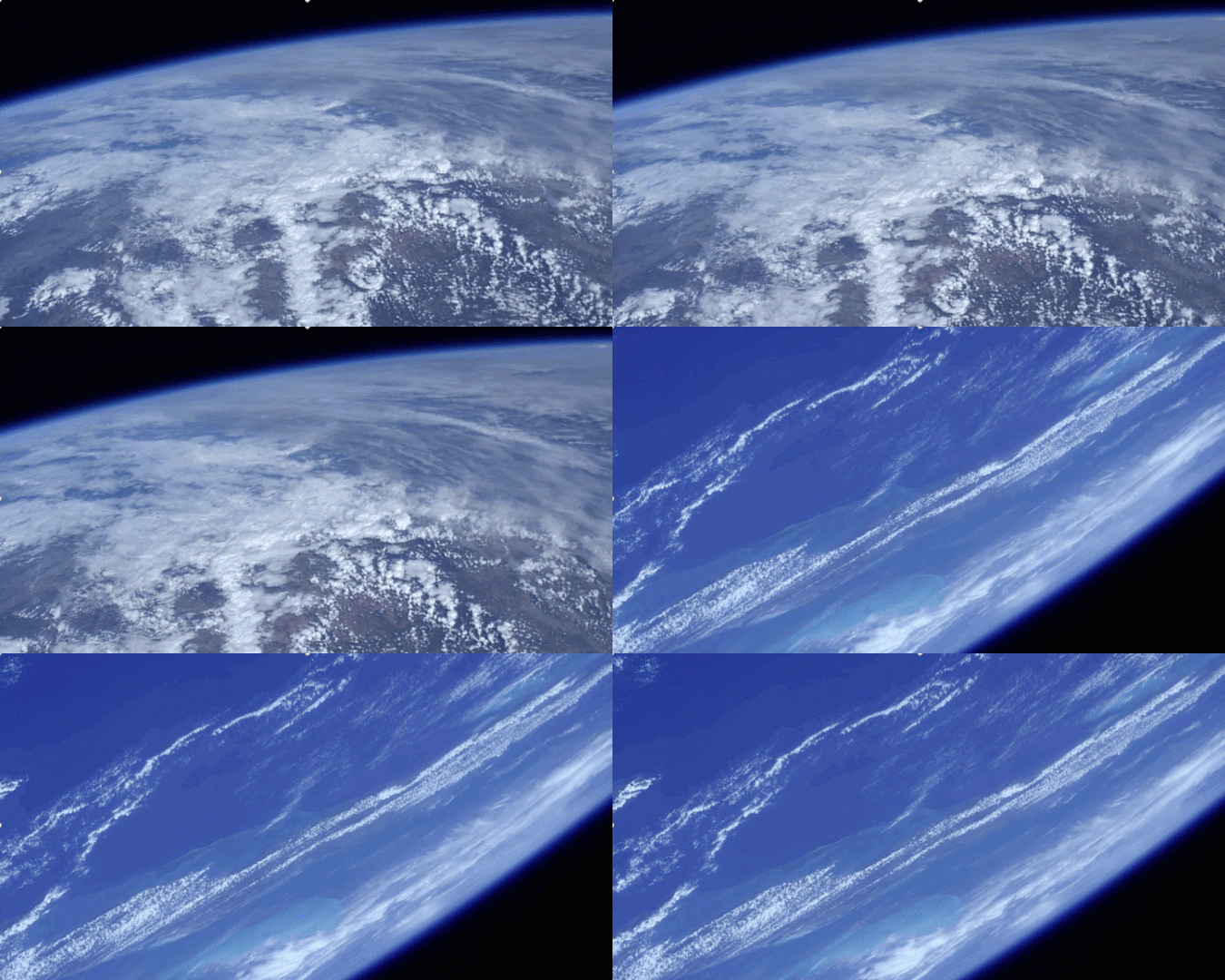
---“Everything is patterns.
Environmental protection, simply stated, is just identifying and protecting certain patterns in nature.
It really can be stated that simply.”
- Jed Anderson, EnviroAI
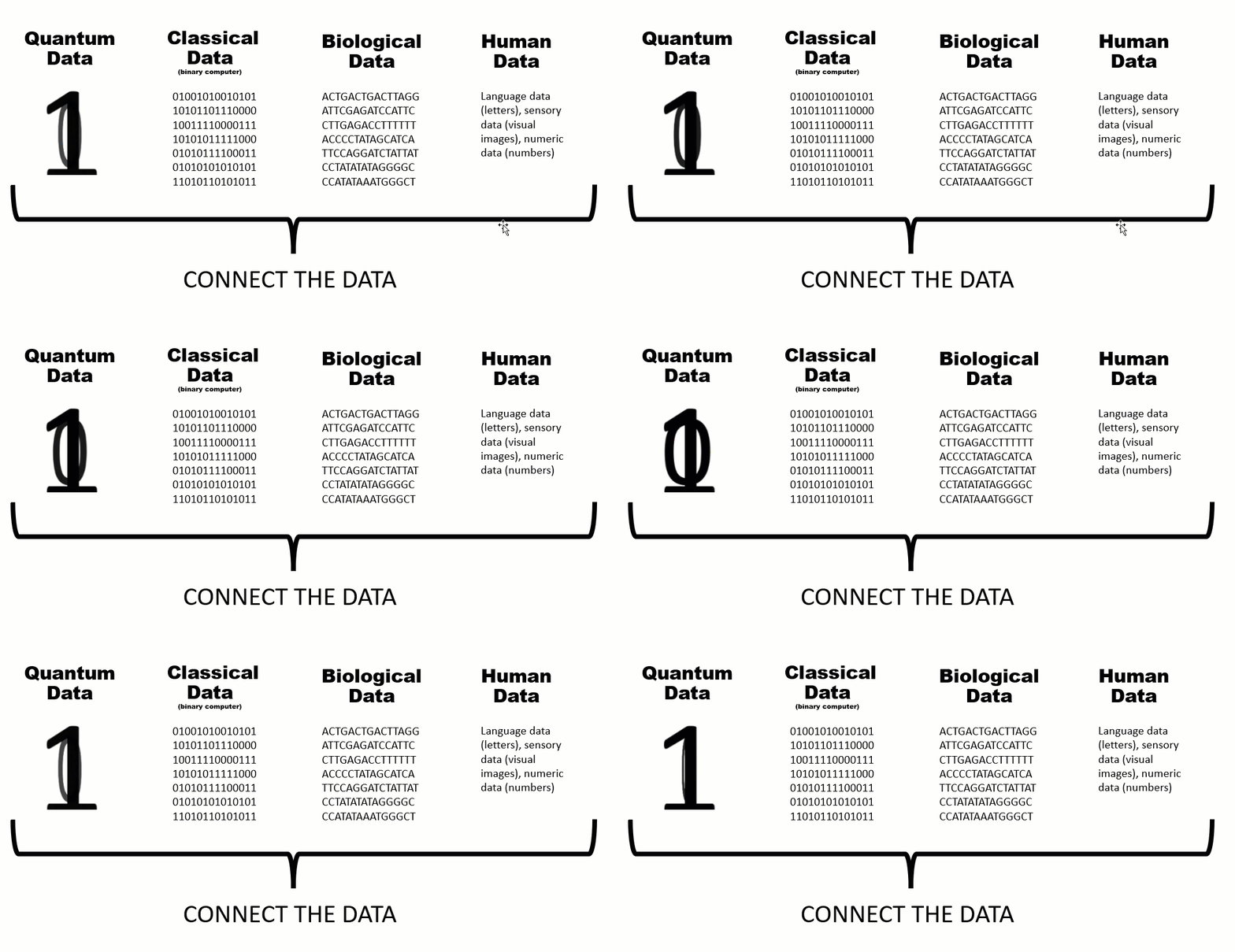
Connect the data. See the patterns. Protect the patterns.

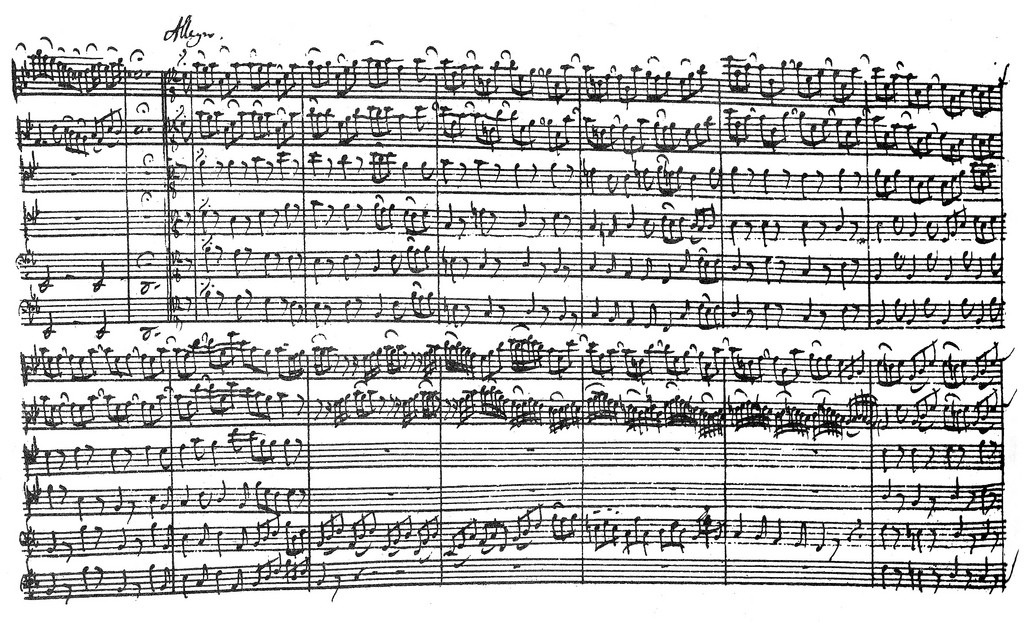
Notes are data. Music is patterns.
-
Listen to a Bach fugue. Here is one of my favorites! And then learn briefly how a fugue is written. It’s math. It’s computation. Instead of using numbers, Bach is using notes corresponding to frequencies. Two books I would suggest. One is “Godel, Escher, Bach” by Douglas Hofstadter. The other is “J.S. Bach’s Musical Offering” by H.T. David.
-
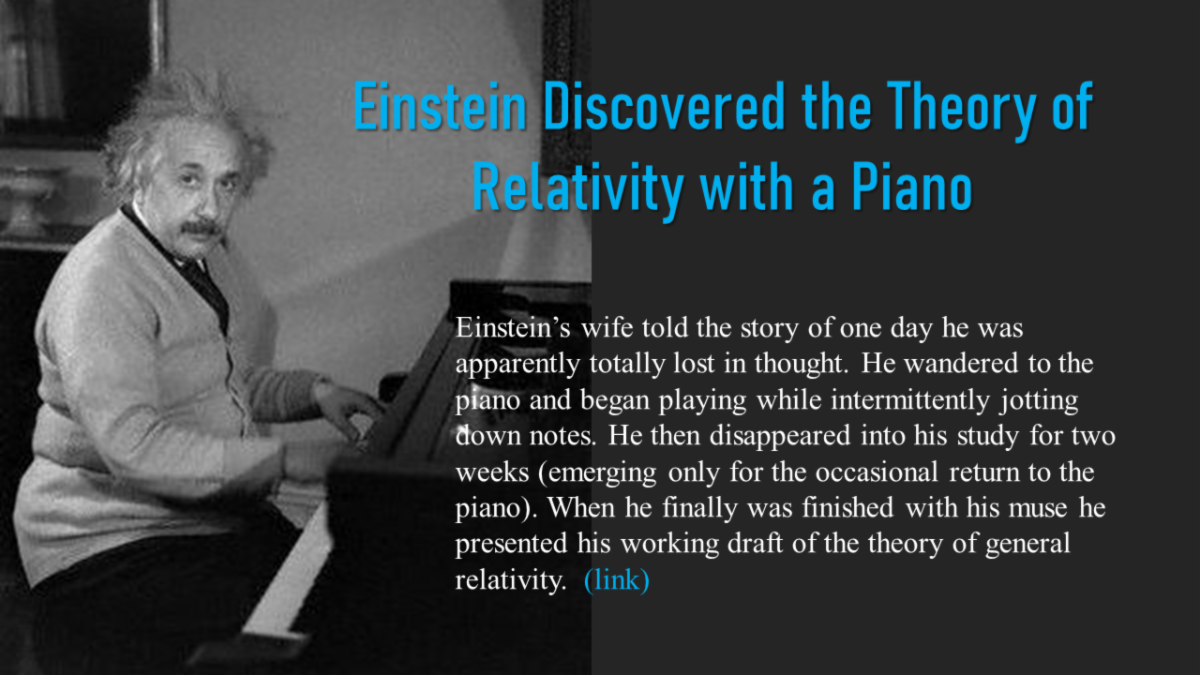
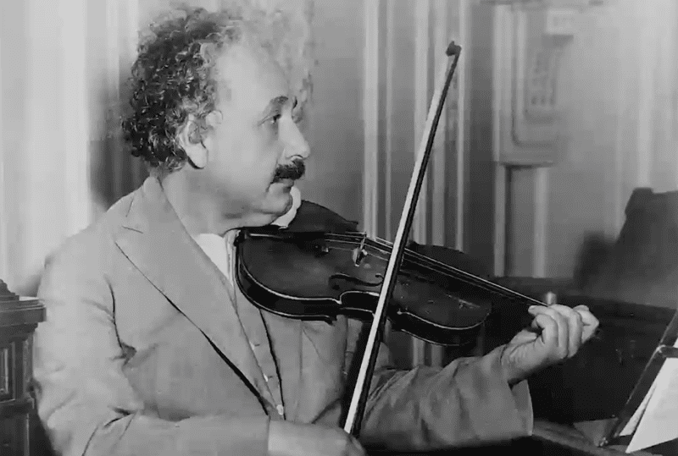
Einstein said he didn’t think in terms of math or words. He thought in terms of music.
-
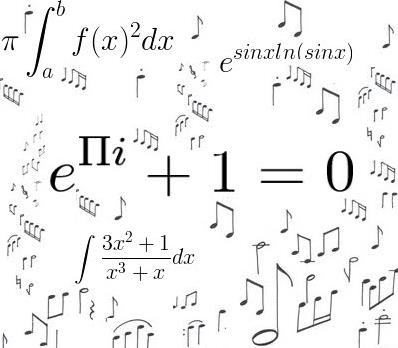
Pythagoras, the founder of mathematics, was said to have discovered mathematics when he noticed similarities between the sound of plucking a lyre string and the resonances made by hammering metal. He found that they created musical frequencies that vibrated with certain ratios that corresponded to patterns.
-
“If we had a microscope powerful enough, we could see that electrons, quarks, neutrinos, etc. are nothing but vibrations on minuscule loops resembling rubber bands. If we pluck the rubber band enough times,and in different ways, we eventually create all the known subatomic particles in the universe. This means that all the laws of physics can be reduced to the harmonies of these strings. Chemistry is the melodies one can play on them. The universe is a symphony. And the mind of God, which Einstein eloquently wrote about, is cosmic music resonating throughout space-time.” - Micho Kaku

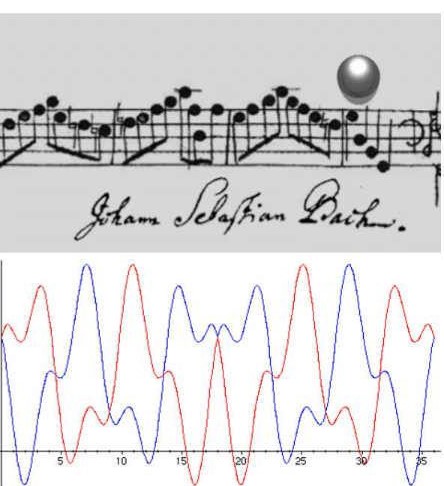
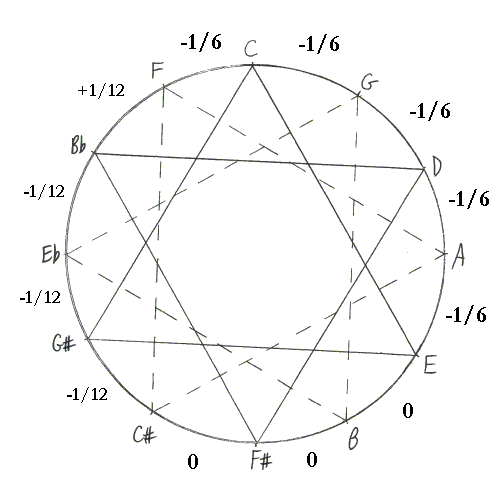
The music of the early universe---“chop-sticks” …
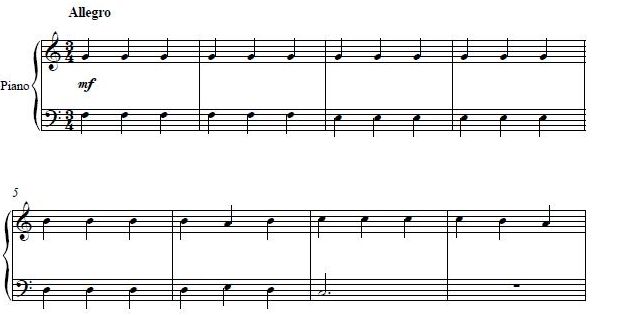
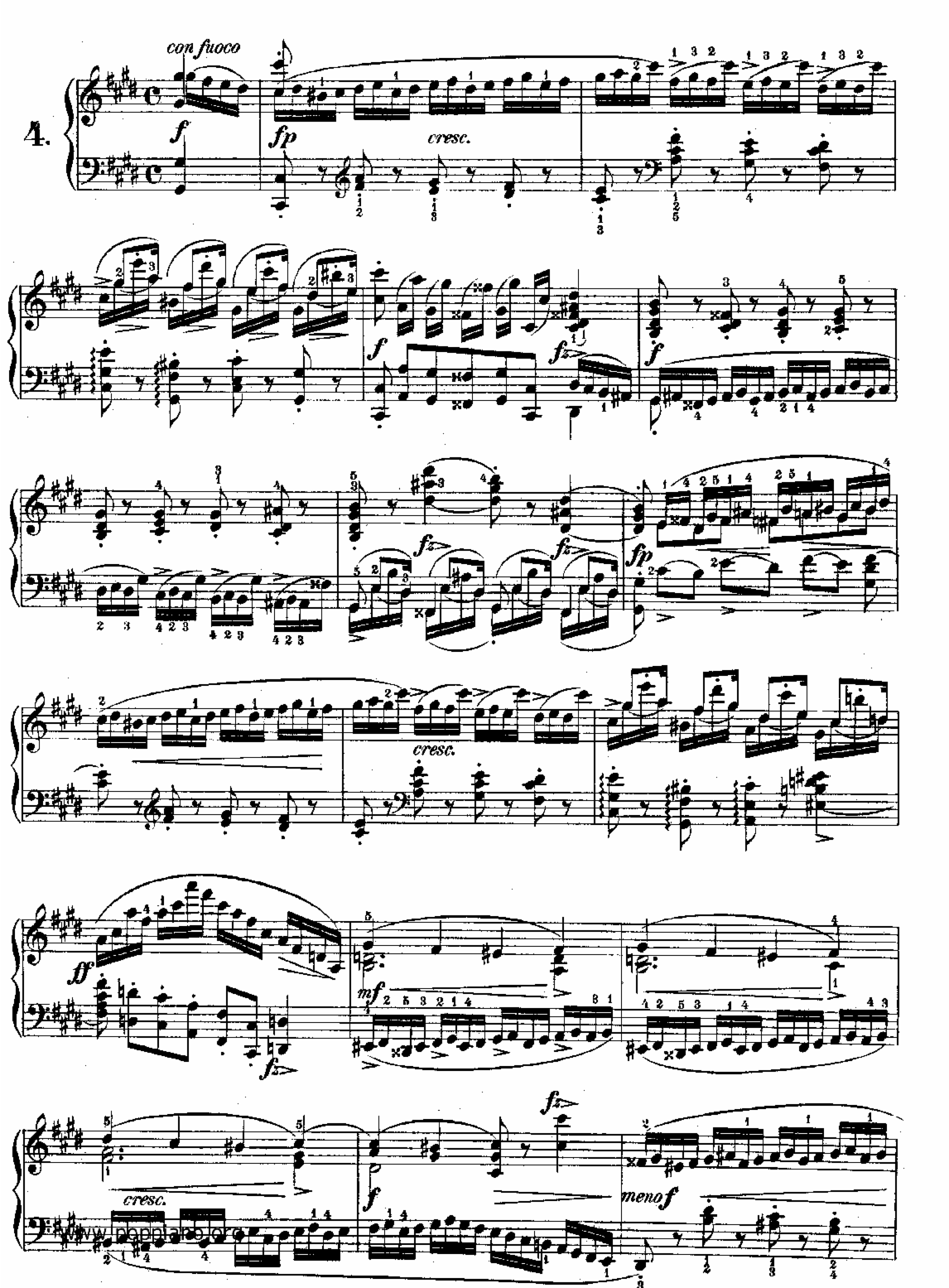
Same musical laws playing out 13.8 billion years later …
… much more complicated resulting phenomena---Chopin’s Etude Op. 10., No. 4, Torrent
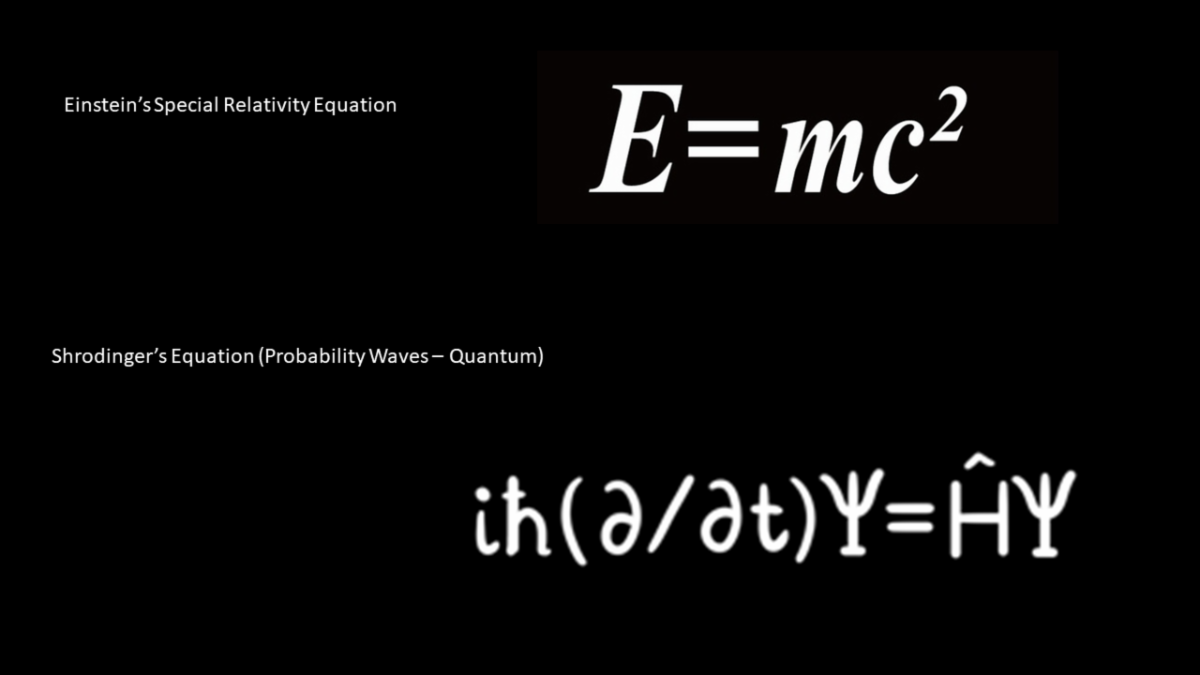
Nature = Simple Equations
Mathematical equations that explain nature we are finding are very simple:

Nature = Simple Computations
Computational programs that explain nature we are finding are very simple:

SIMPLICITY

- “Nature operates in the shortest way possible.”---Aristotle
- “Phenomena complex—laws simple.”—Richard P. Feynman
- “When the solution is simple, God is answering.”—Albert Einstein
- “Nature is pleased with simplicity. And nature is no dummy.” ― Isaac Newton
- “The main purpose of science is simplicity and as we understand more things, everything is becoming simpler.” – Edward Teller
- “Nature does not multiply things unnecessarily; that she makes use of the easiest and simplest means for producing her effects”—Galileo
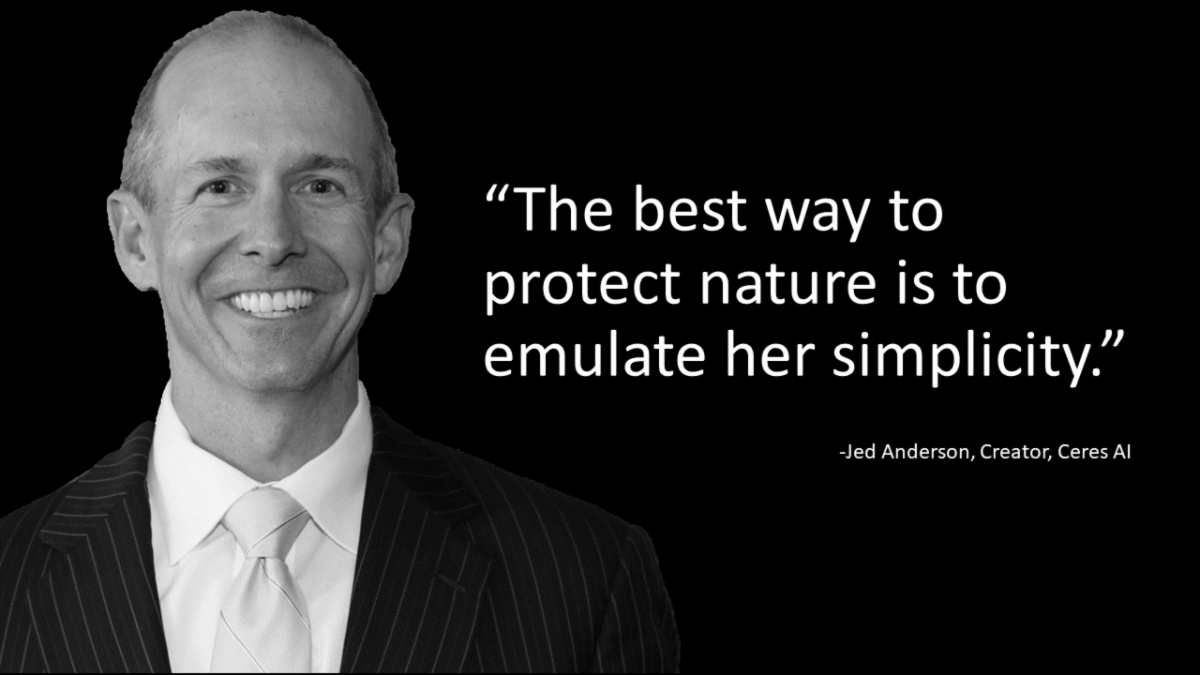
- “To be simple is to be great.”—Emerson
- “Rudiments or principles must not be unnecessarily multiplied—Immanuel Kant
- “There is no greatness where there is not simplicity.” ― Leo Tolstoy
- “All the great things are simple.”—Winston Churchill
- “Out of clutter, find simplicity.”—Albert Einstein
- “AI is about making machines more fathomable and more under the control of human beings, not less. Conventional technology has indeed been making our environment more complex and more incomprehensible …” - Donald Michie
- “Plurality should not be assumed without necessity.” —William of Ockham
- “Knowledge is a process of piling up facts; wisdom lies in their simplification.” ~ Martin H. Fischer
- “Complexity is your enemy. Any fool can make something complicated. It is hard to make something simple.”---Richard Branson.
- “The definition of genius is taking the complex and making it simple.”—Albert Einstein
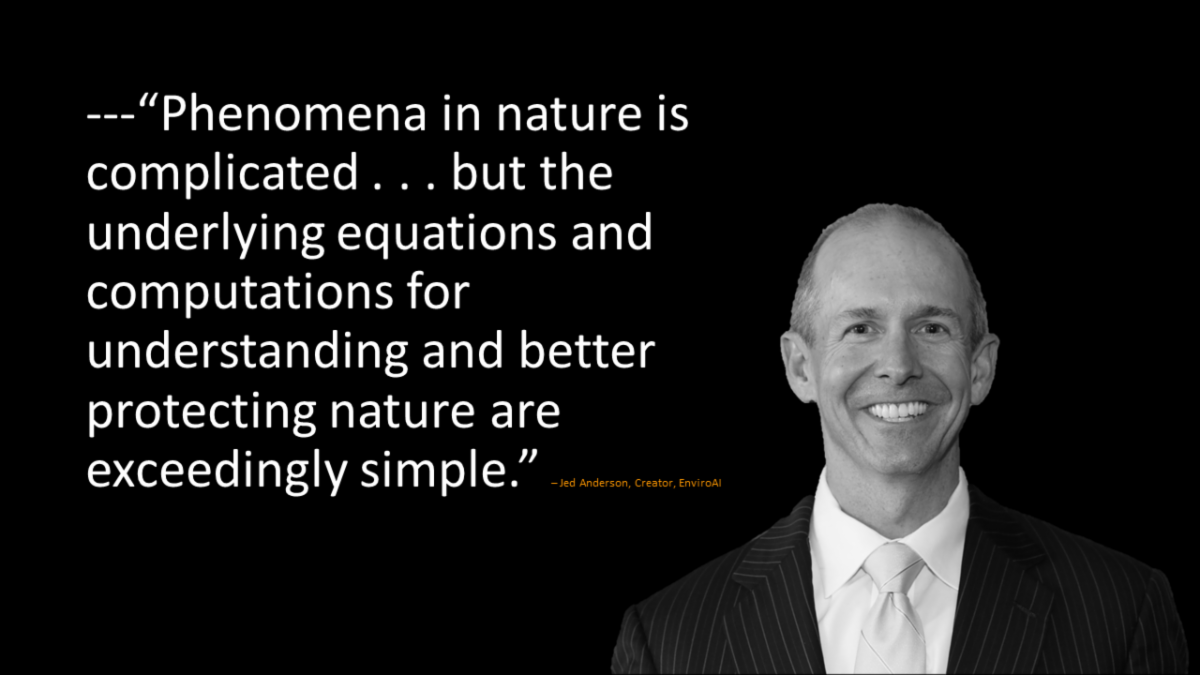
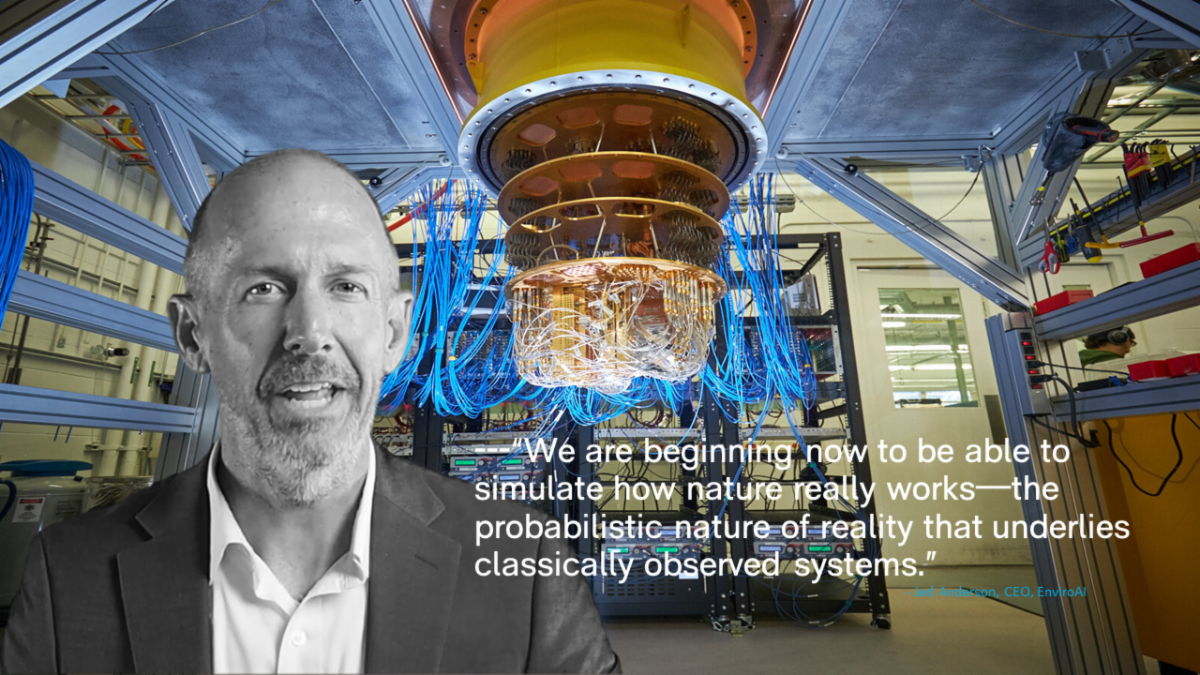
- “Beauty of style and harmony and grace and good rhythm depend on simplicity”—Plato
- “Simplicity is the ultimate sophistication.” – Leonardo da Vinci
- “Simplicity is the key to brilliance.”–Bruce Lee
- “Out of intense complexities, intense simplicities emerge.” –Winston Churchill
- “Simplicity, simplicity, simplicity!”—Henry David Thoreau
- “Simplicity is the glory of expression.” ~ Walt Whitman
- “Nothing is more simple than greatness; indeed, to be simple is to be great.” ~ Ralph Waldo Emerson
- “The great artist and thinker are the simplifiers.”—Henri Frederic Amiel
- “It is vain to do with more what can be done with less.” ~ William of Occam
- “Clutter and confusion are failures of design, not attributes of information.” ~ Edward Tuft
- “The most complicated skill is to be simple.” – Dejan Stojanovic
- “Fools ignore complexity. Pragmatists suffer it. Some can avoid it. Geniuses remove it.” – Alan Perlis
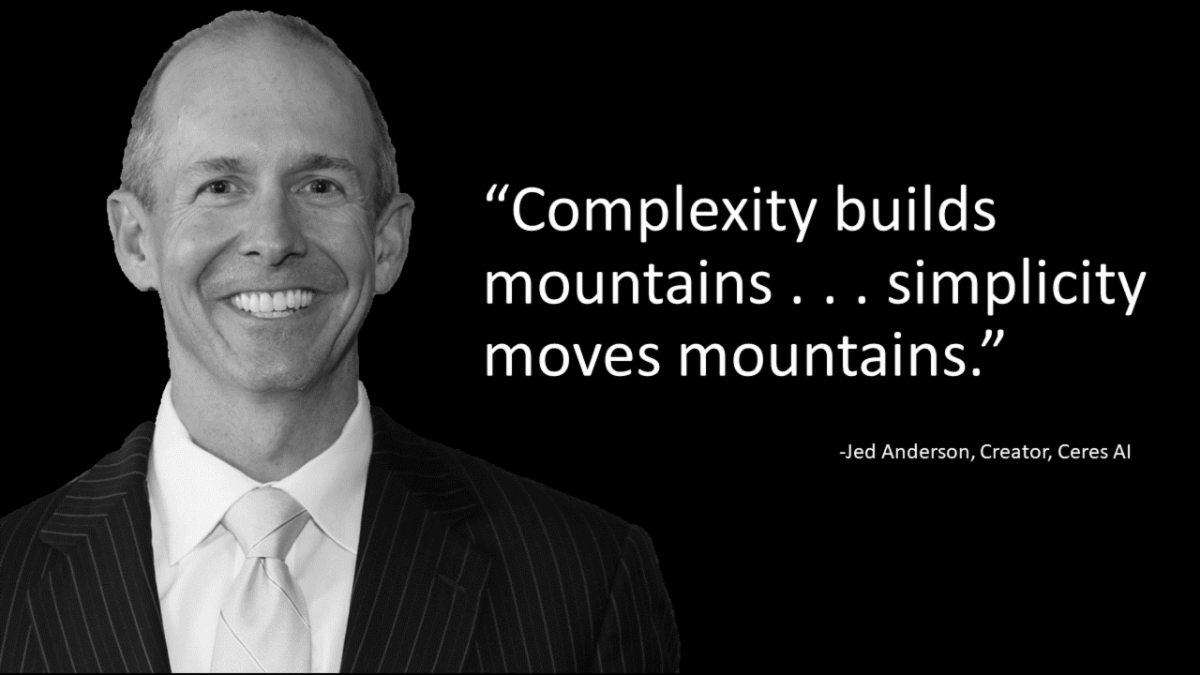
-
“Truth is ever to be found in simplicity, and not in the multiplicity and confusion of things.” – Isaac Newton
-
“It is always the simple that produces the marvelous.” – Amelia Barr
-
“Simplicity is a prerequisite for reliability.” – Edsger Dijkstra
-
“Almost all quality improvement comes via simplification of design, manufacturing, layout, processes, and procedures.” – Tom Peters
-
“Simplicity is the most difficult thing to secure in this world; it is the last limit of experience and the last effort of genius.” – George Sand
-
“Order and simplification are the first steps toward the mastery of a subject.” – Thomas Mann
-
“Simplicity is the outcome of technical subtlety. It is the goal, not the starting point.” – Maurice Saatchi
-
“The greatest ideas are the simplest.” – William Golding
-
“People often associate complexity with deeper meaning, when often after precious time has been lost, it is realized that simplicity is the key to everything.” – Gary Hopkins
-
“Growth creates complexity, which requires simplicity.” – Andy Stanley
-
“Our life is frittered away by detail. Simplify, simplify.” – Henry David Thoreau
-
“It is not a daily increase, but a daily decrease. Hack away at the inessentials.” – Bruce Lee
-
“Complexity is impressive, but simplicity is genius.” – Lance Wallnau
-
“Complexity is enemy of execution”. – Anthony Robbins
-
“Simplicity will stand out, while complexity will get lost in the crowd.” – Kevin Barnett
-
“Very often, people confuse simple with simplistic. The nuance is lost on most.” – Clement Mok
-
“Anything simple always interests me.”—David Hockney
-
“I would not give a fig for the simplicity this side of complexity, but I would give my life for the simplicity on the other side of complexity.”—Oliver Wendell Holmes
-
“Any intelligent fool can make things bigger, more complex, and more violent. It takes a touch of genius…and a lot of courage to move in the opposite direction.” ~ E.F. Schumacher
-
“The simple thing is the right thing.” ---Oscar Wilde
-
“To simplify complications is the first essential of success.”—George Earle Buckle
-
“You know you’ve achieved perfection in design, not when you have nothing more to add, but when you have nothing more to take away.”—Anotine de Saint-Exupery
-
“A complex system that works is invariably found to have evolved from a simple system that worked. A complex system designed from scratch never works and cannot be patched up to make it work. You have to start over, beginning with a working simple system.”—John Gall
-
“Although there are no textbooks on simplicity, simple systems work and complex don’t.” ––Jim Gray
-
“Simplicity does not precede complexity, but follows it.”- Alan J. Perlis
-
“The simplest things are often the truest.”—Richard Bach
-
“A lady once offered me a mat, but as I had no room to spare within the house, nor time to spare within or without to shake it, I declined it.”—Henry David Thoreau
-
“Five lines where three are enough is stupidity. Nine pounds where three are sufficient is stupidity.”—Frank Lloyd Wright
-
“Don’t be fooled by the many books on complexity or by the many complex and arcane algorithms you find in this book or elsewhere. Although there are no textbooks on simplicity, simple systems work and complex don’t.” ––Jim Gray
-
“When you first start off trying to solve a problem, the first solutions you come up with are very complex, and most people stop there. But if you keep going, and live with the problem and peel more layers of the onion off, you can often times arrive at some very elegant and simple solutions.”—Steve Jobs
-
“I do believe in simplicity. […] When the mathematician would solve a difficult problem, he first frees the equation of all incumbrances, and reduces it to its simplest terms. So simplify the problem of life, distinguish the necessary and the real. Probe the earth to see where your main roots run.”—Henry David Thoreau
-
“Complexity is a sign of technical immaturity. Simplicity of use is the real sign of a well-designed product whether it is an ATM or a Patriot missile.”– Daniel T. Ling
-
“[T]he grand aim of all science…is to cover the greatest possible number of empirical facts by logical deductions from the smallest possible number of hypotheses or axioms.”—Albert Einstein
-
“Simplicity is the law of nature for men as well as for flowers.”—Henry David Thoreau
-
“In building a statue, a sculptor doesn’t keep adding clay to his subject. Actually, he keeps chiselling away at the inessentials until the truth of its creation is revealed without obstructions.”—Bruce Lee
-
“Simplifications have had a much greater long-range scientific impact than individual feats of ingenuity. The opportunity for simplification is very encouraging, because in all examples that come to mind the simple and elegant systems tend to be easier and faster to design and get right, more efficient in execution, and much more reliable than the more contrived contraptions that have to be debugged into some degree of acceptability…. Simplicity and elegance are unpopular because they require hard work and discipline to achieve and education to be appreciated.”– Edsger W. Dijkstra
-
“I’ll tell you what you need to be a great scientist. You don’t have to be able understand very complicated things. It’s just the opposite. You have to be able to see what looks like the most complicated thing in the world and, in a flash, find the underlying simplicity. That’s what you need: a talent for simplicity.”—Mitchell Wilson
-
“Science may be described as the art of systematic over-simplification.”—Karl Popper
-
“The ability to simplify means to eliminate the unnecessary so that the necessary may speak.”—-Hans Hofmann
-
“The field of Artificial Intelligence is set to conquer most of the human disciplines; from art and literature to commerce and sociology; from computational biology and decision analysis to games and puzzles.” –Anand Krish
-
“A year spent in artificial intelligence is enough to make one believe in God.”—Alan Perlis
-
“The whole world is certainly heading for a great simplicity, not deliberately, but rather inevitably. The simplicity towards which the world is driving is the necessary outcome of all our systems and speculations and of our deep and continuous contemplation of things. For the universe is like everything in it; we have to look at it repeatedly and habitually before we see it. It is only when we have seen it for the hundredth time that we see it for the first time. The more consistently things are contemplated, the more they tend to unify themselves and therefore to simplify themselves. The simplification of anything is always sensational. […] Few people will dispute that all the typical movements of our time are upon this road towards simplification. Each system seeks to be more fundamental than the other; each seeks, in the literal sense, to undermine the other. In art, for example, the old conception of man, classic as the Apollo Belvedere, has first been attacked by the realist, who asserts that man, as a fact of natural history, is a creature with colourless hair and a freckled face. Then comes the Impressionist, going yet deeper, who asserts that to his physical eye, which alone is certain, man is a creature with purple hair and a grey face. Then comes the Symbolist, and says that to his soul, which alone is certain, man is a creature with green hair and a blue face. And all the great writers of our time represent in one form or another this attempt to reestablish communication with the elemental, or, as it is sometimes more roughly and fallaciously expressed, to return to nature. […] But the giants of our time are undoubtedly alike in that they approach by very different roads this conception of the return to simplicity. Ibsen returns to nature by the angular exterior of fact, Maeterlinck by the eternal tendencies of fable. Whitman returns to nature by seeing how much he can accept, Tolstoy by seeing how much he can reject.”― G.K. Chesterton
Licensed CC-BY-4.0 .
Original source: Constant Contact campaign
Markdown source: https://jedanderson.org/posts/wow-look-at-this-picture-of-the-universe-just-released-just-stare-at-it.md
Source on GitHub: /src/content/posts/wow-look-at-this-picture-of-the-universe-just-released-just-stare-at-it.md
Cite this
@misc{anderson_2022_wow_look_at_this_picture_of_the_universe_just_released_just_stare_at_it,
  author = {Jed Anderson},
  title  = {WOW . . . Look at this picture of the UNIVERSE just released . . . just stare at it!!!!!!!!!},
  year   = {2022},
  url    = {https://jedanderson.org/posts/wow-look-at-this-picture-of-the-universe-just-released-just-stare-at-it},
  note   = {Accessed: 2026-09-15}
} Anderson, J. (2022). WOW . . . Look at this picture of the UNIVERSE just released . . . just stare at it!!!!!!!!!. Retrieved from https://jedanderson.org/posts/wow-look-at-this-picture-of-the-universe-just-released-just-stare-at-it
Anderson, Jed. "WOW . . . Look at this picture of the UNIVERSE just released . . . just stare at it!!!!!!!!!." Jed Anderson, July 11, 2022, https://jedanderson.org/posts/wow-look-at-this-picture-of-the-universe-just-released-just-stare-at-it.