Post
What's . . . "Water"?
Congressional Artificial Intelligence----------Definition of “Waters of the U.S.”
What is
“Water”?

Congressionally it’s unclear. We know what water is. We know what it does. We know the chemical composition. But we don’t know the definition yet (i.e. “water of the U.S.”).
-
Less about finding just the right words to describe water.
-
More about finding just the right level of protection.
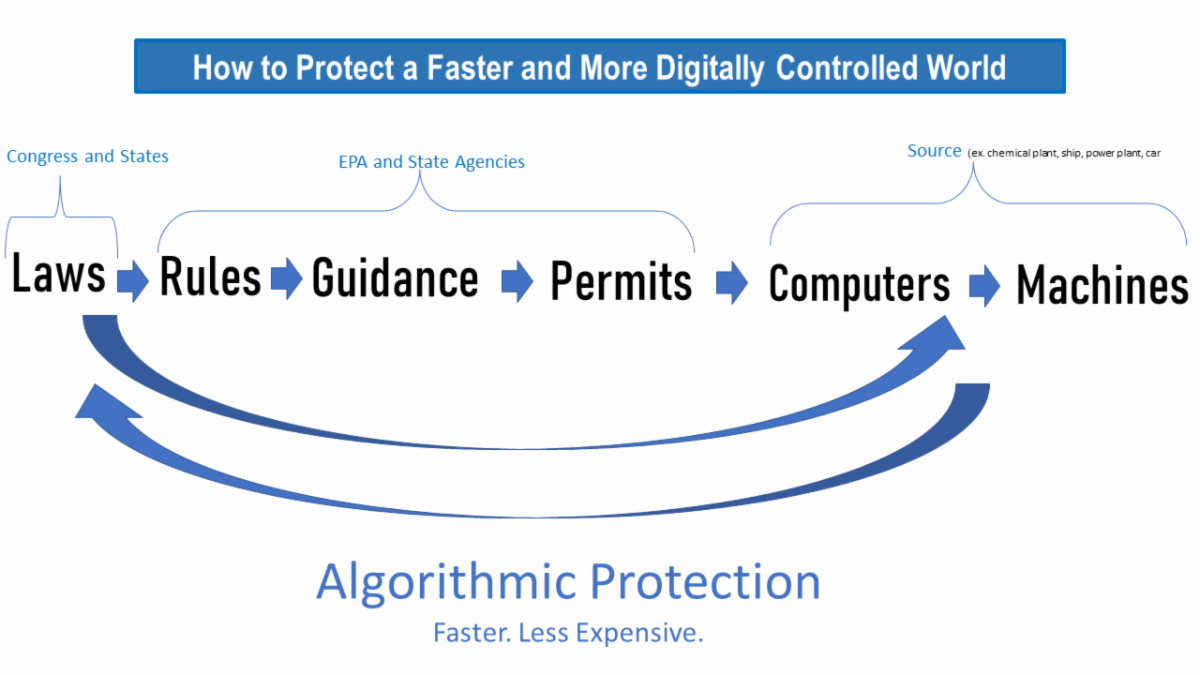
Artificial intelligence and quantum technology can help us effectuate policy goals through more direct algorithmic implementation in an increasingly digital world (see below) …

---“Why are we using words to define water?”
---“We’re giving linguistic definitions to environmental terms that shouldn’t have linguistical definitions.”
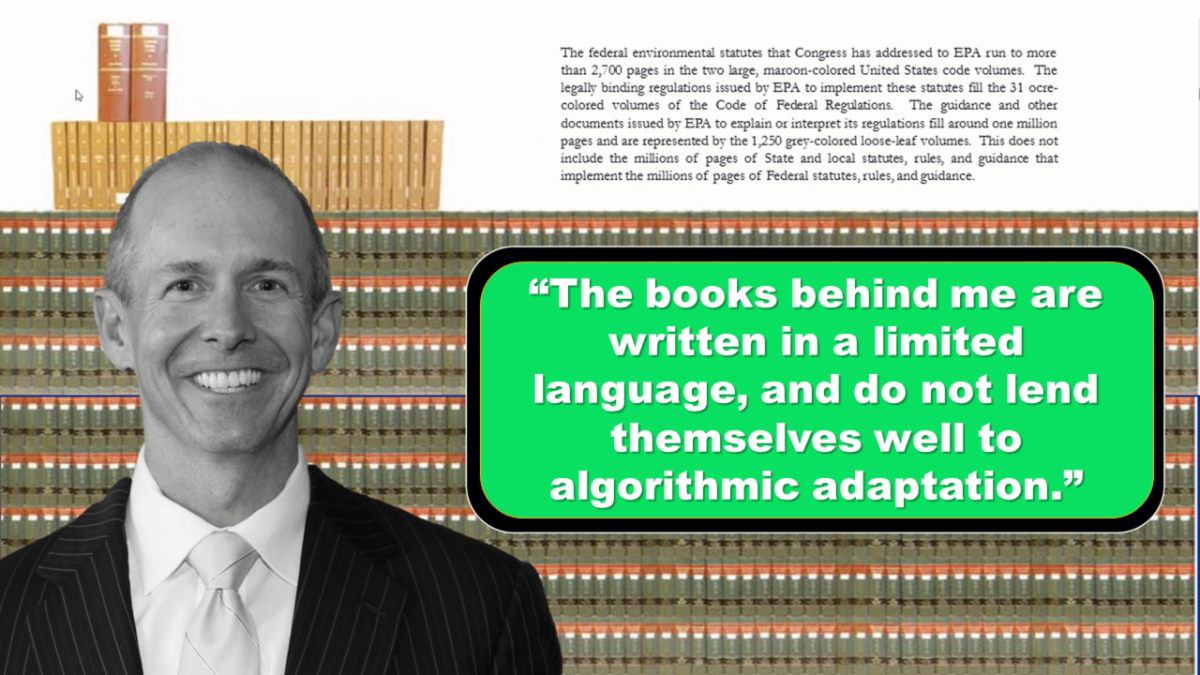
---“There are only 179,000 words in the English language. How can we expect to define what “Waters of the U.S.” means in all situations with only 179,000 words?”
---“The best way to avoid a grammatical argument is not to talk.”
---“Lots of people want to argue over what a word means. I’m back to the more fundamental question … why are we still using words?”
—“I wouldn’t use numbers to write poetry. And I wouldn’t write what’s increasingly becoming digital algorithms using words.”



Improving
Data Transfer
Humans & Nature
- LANGUAGE WILL IMPROVE
Recent Elon Musk tweet:
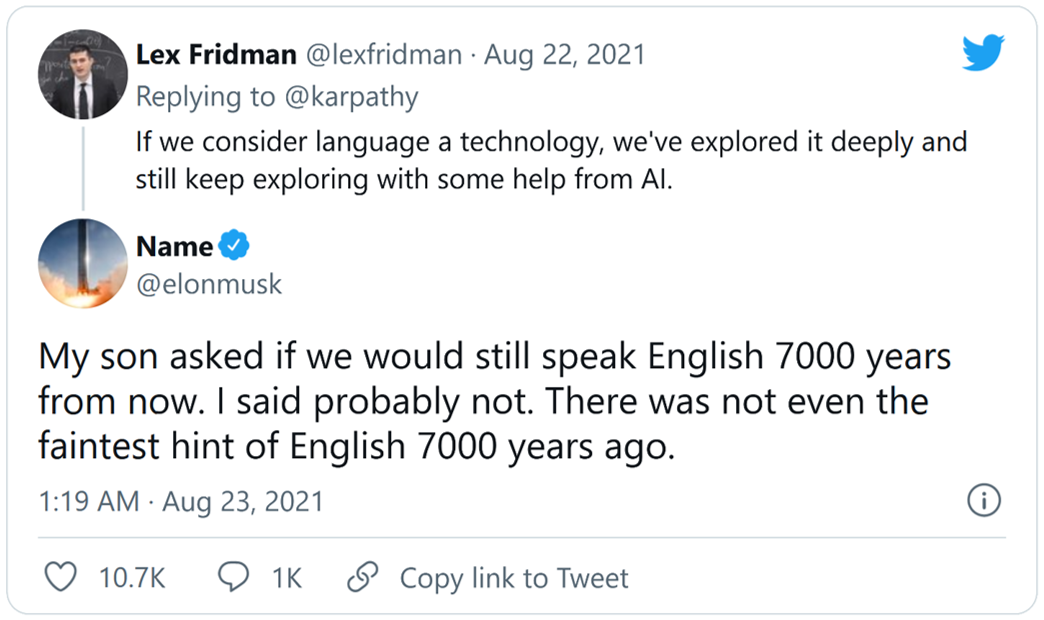
Musk sometimes overplays the future. Here I think he’s underplayed it. I don’t think there’s any chance we’re speaking English in 7,000 years … or French, or Spanish … Human language will change.

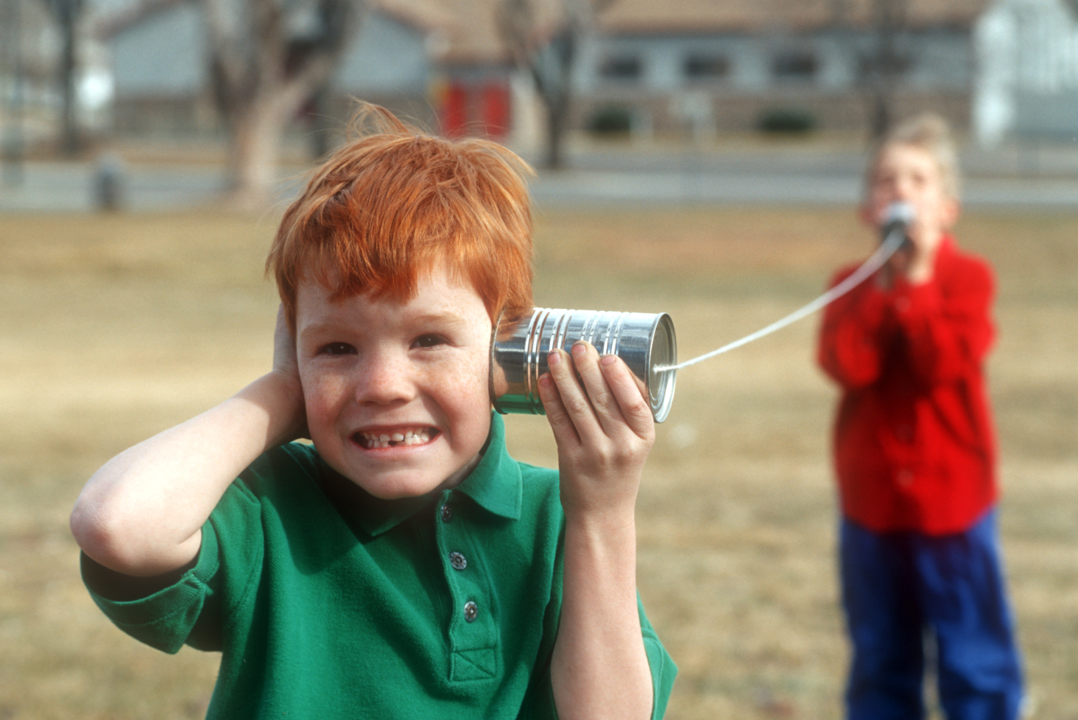
Current human language is wonderful, but it’s really really really slow. Human language conveys data at only about 39 bits per second. Interestingly, all human languages transfer information at about the same speed. Transferring data via writing is even slower. Someone must write. Someone must read.
Try this experiment:Think a thought and then try to say it or write it down in less than a second. Not easy is it? Hard to put all the thoughts you would like to convey into words, especially the right words.

And not only is human language slow, it’s really, really, really limiting. Each of us currently commands only about 20,000-35,000 words we can choose from to share all the facts, ideas, and information that we encounter in the environment and that’s in our minds.

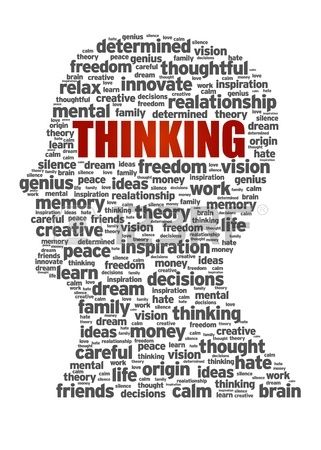
An interesting aside, but many of us like myself also often think in terms of words (our self-talk uses words). Does the limitation of human language therefore also in some ways constrain our ability to think or express the most accurate thoughts within ourselves?

The Future is Looking Bright! More access to more language!!!
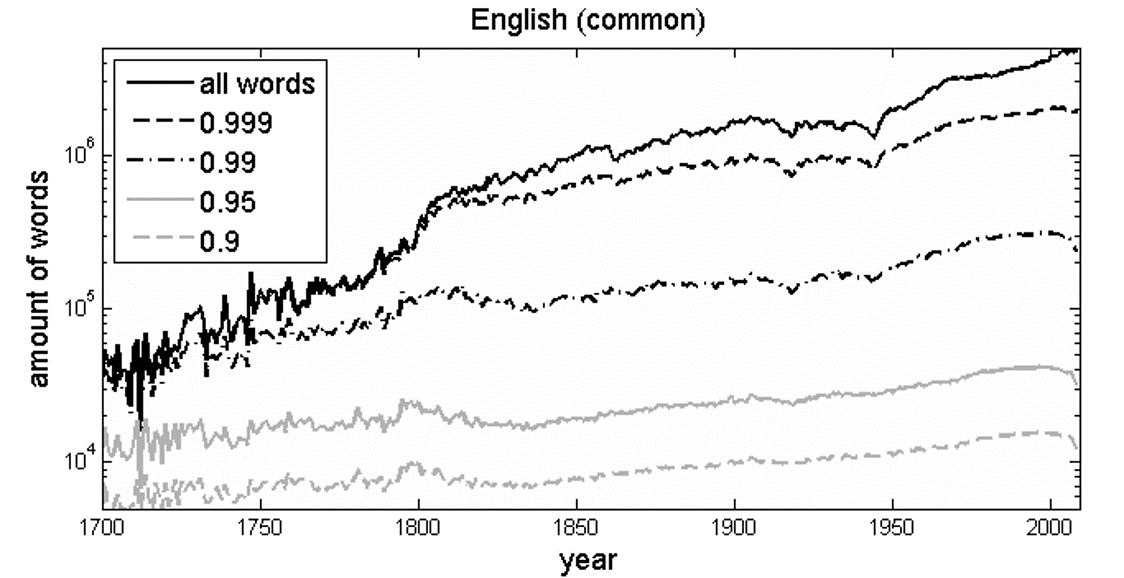
Connecting with AI either directly or indirectly, will allow us to access many more words—and create many more words.
- It will really be fun when each of us can access all 171,476 words (or all the words in whatever language you choose)
- It will be really, really fun when each of us can access all the millions of words in all the languages to share with each other.
- It will be really really really fun when each of us humans can access 1,000,000,000,000,000 of “words” to communicate different facts, thoughts, feelings, and ideas to each other.
We will also Find a Better “Language” to Communicate More Directly with Nature
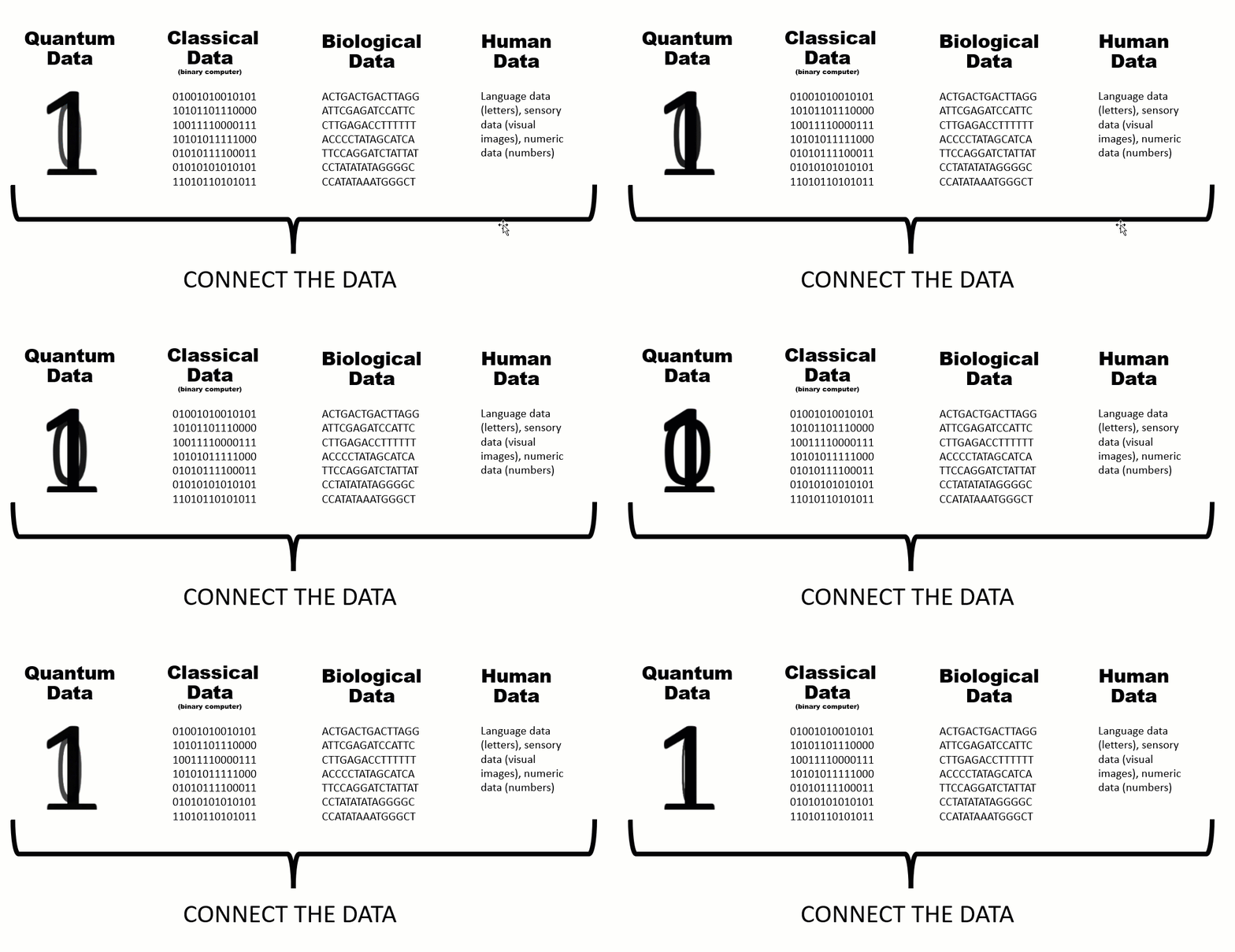
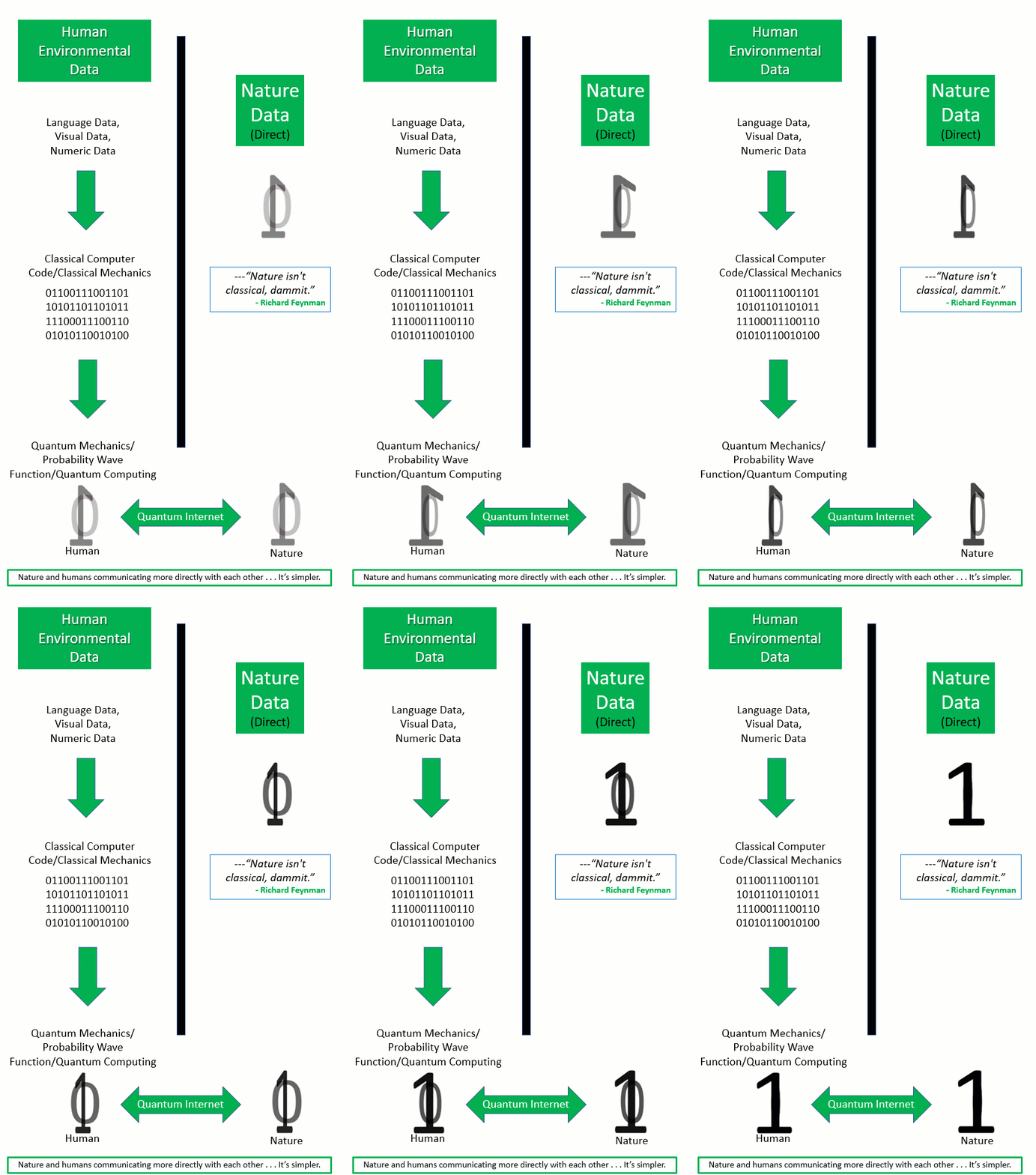
2. DATA SPEED WILL IMPROVE
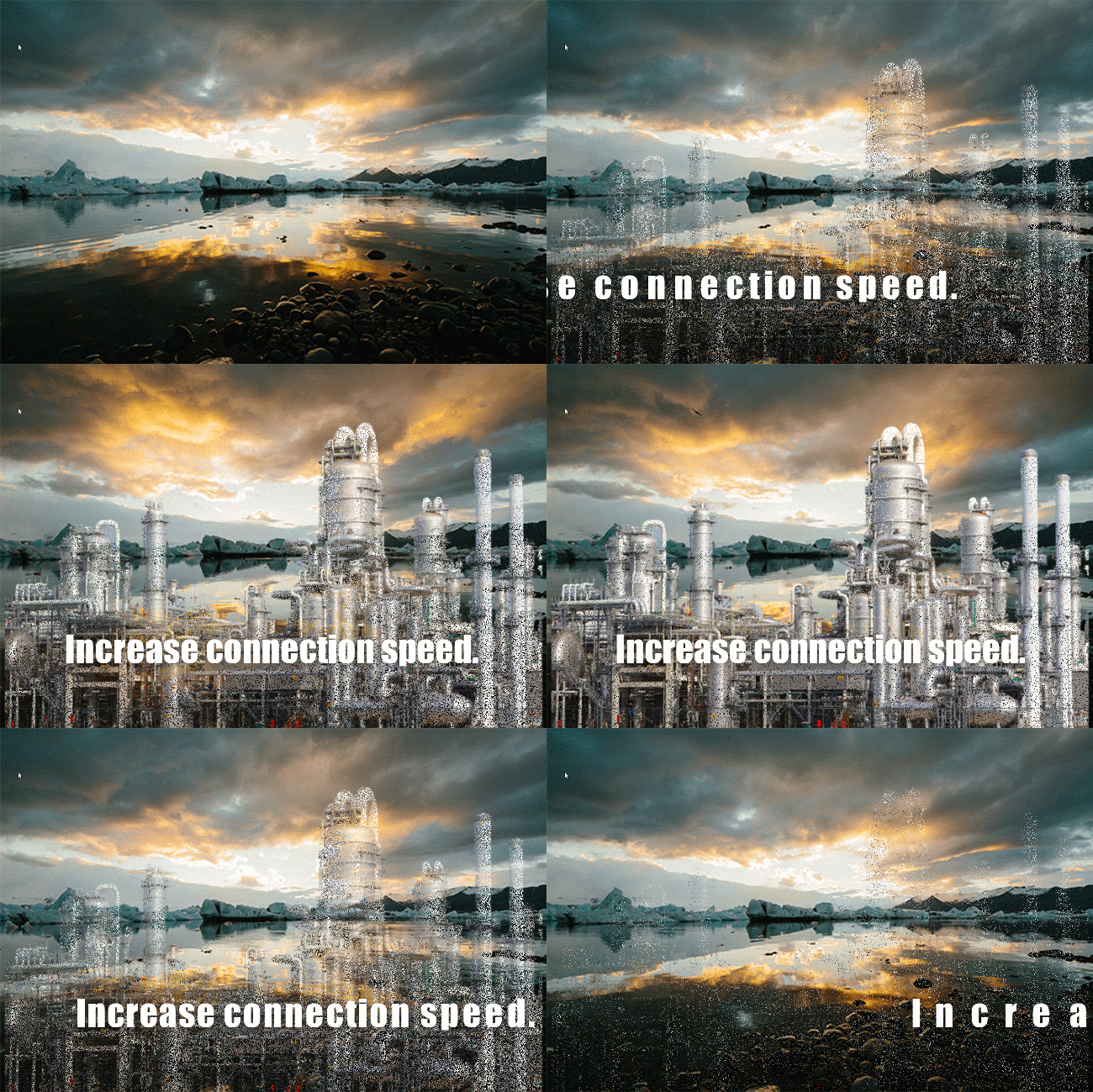

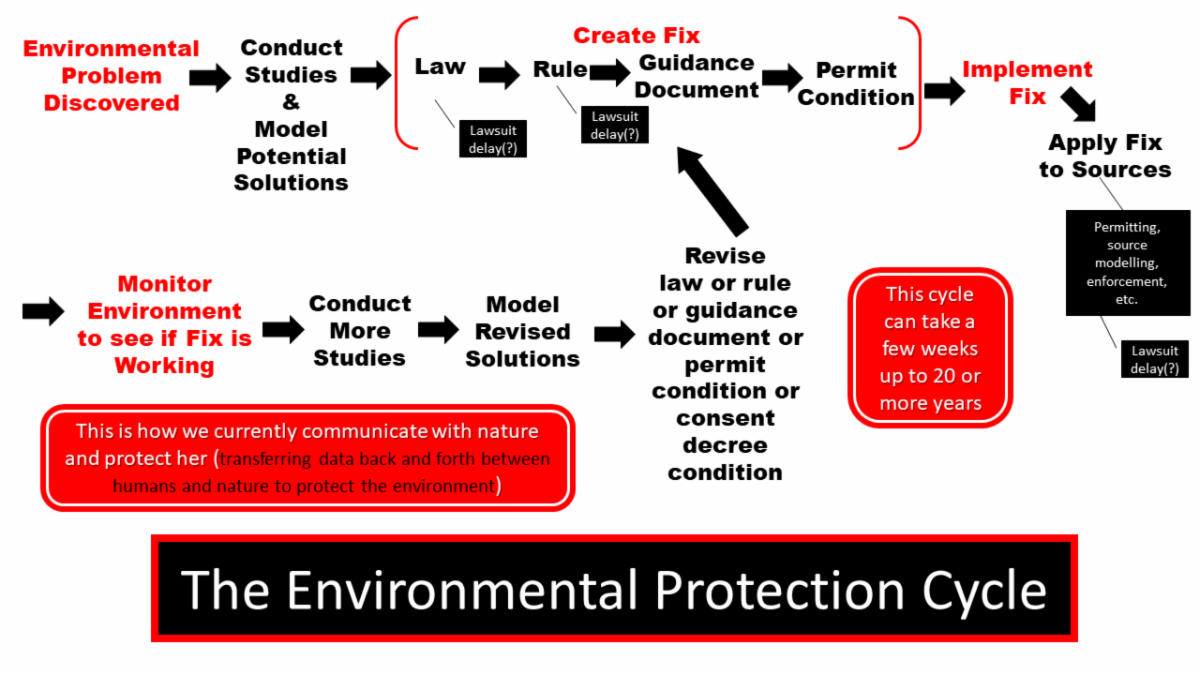
Current Speed
& Data Transfer Cycle Between Humans and Nature

Human-to-Nature
Data Transfer


AI running on quantum data … nature’s more direct data.
Nature is Moving Very Quickly
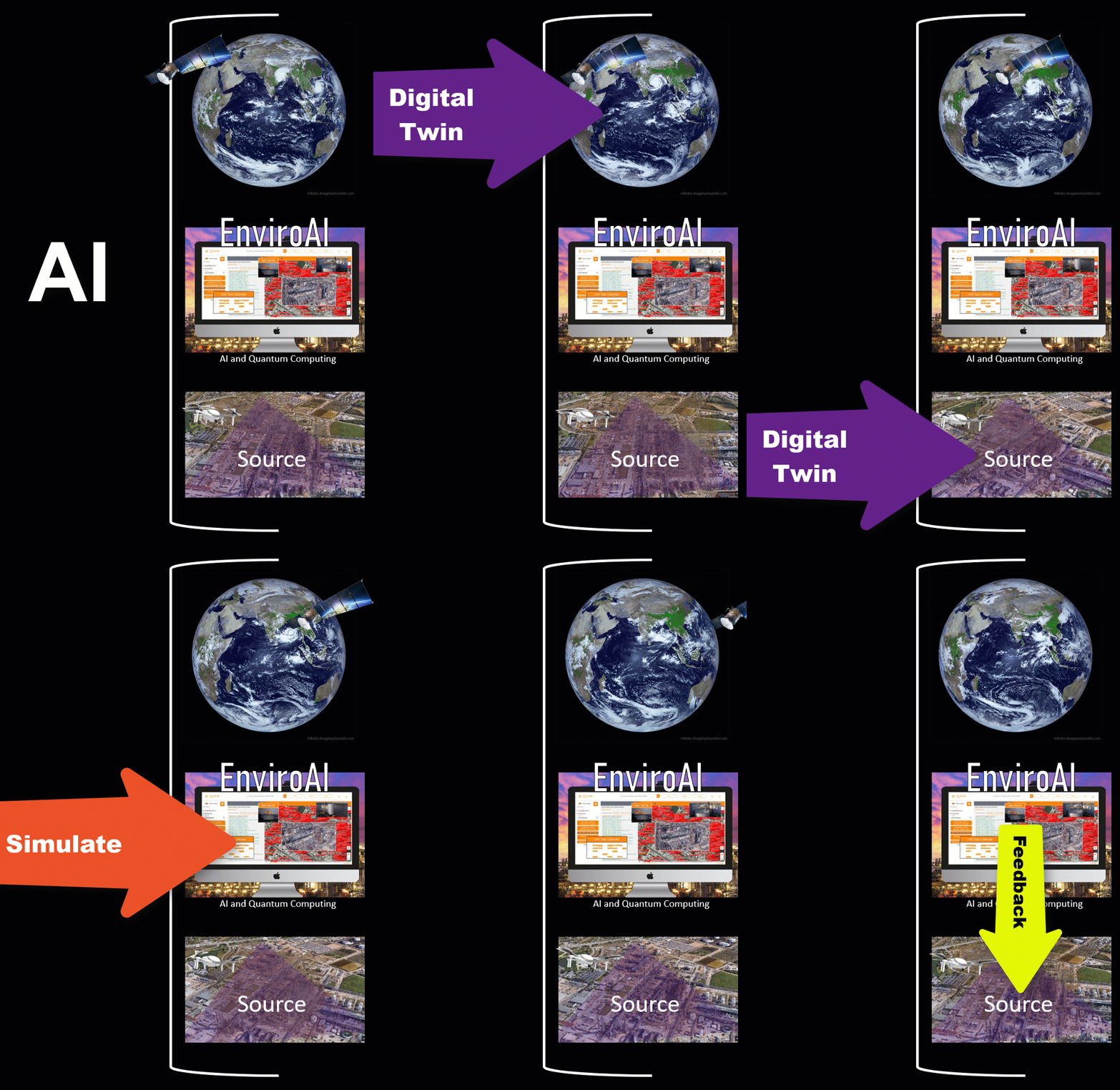
Speed of the System EnviroAI is Building
Design Goal:More Quickly and Clearly Exchange Data Between Humans and Nature, and Nature and Humans
A computer can currently transfer data at 14,099,511,627,776 bits per second.




Licensed CC-BY-4.0 .
Original source: Constant Contact campaign
Markdown source: https://jedanderson.org/posts/whats-water.md
Source on GitHub: /src/content/posts/whats-water.md
Cite this
@misc{anderson_2021_whats_water,
  author = {Jed Anderson},
  title  = {What's . . . "Water"?},
  year   = {2021},
  url    = {https://jedanderson.org/posts/whats-water},
  note   = {Accessed: 2026-09-15}
} Anderson, J. (2021). What's . . . "Water"?. Retrieved from https://jedanderson.org/posts/whats-water
Anderson, Jed. "What's . . . "Water"?." Jed Anderson, September 19, 2021, https://jedanderson.org/posts/whats-water.