JedAnderson.org · Ideas for environmental superintelligence

Nature
Computes

Nature computes. We compute. Compute together. The point of these ten exercises is to make that visible fast.

Its from bits. Bits protect its.
Use this daily

Each exercise is built to take under ten seconds and create one immediate perception shift: not “nature is beautiful,” but “nature is processing information.”

That matters because environmental superintelligence should use bits—measurement, modeling, prediction, coordination—to better protect bonds, biomass, water, forests, and life.

One

Your thumb is running code

3,200,000,000 base pairs × 2 bits = 800 MB Storage density: 215 petabytes/gram

Hold up your thumb.

Every cell inside it is reading a four-letter code—A, C, G, T—two bits per position, 3.2 billion positions long. Life begins with instructions stored physically.

See it

Nature did information storage first.
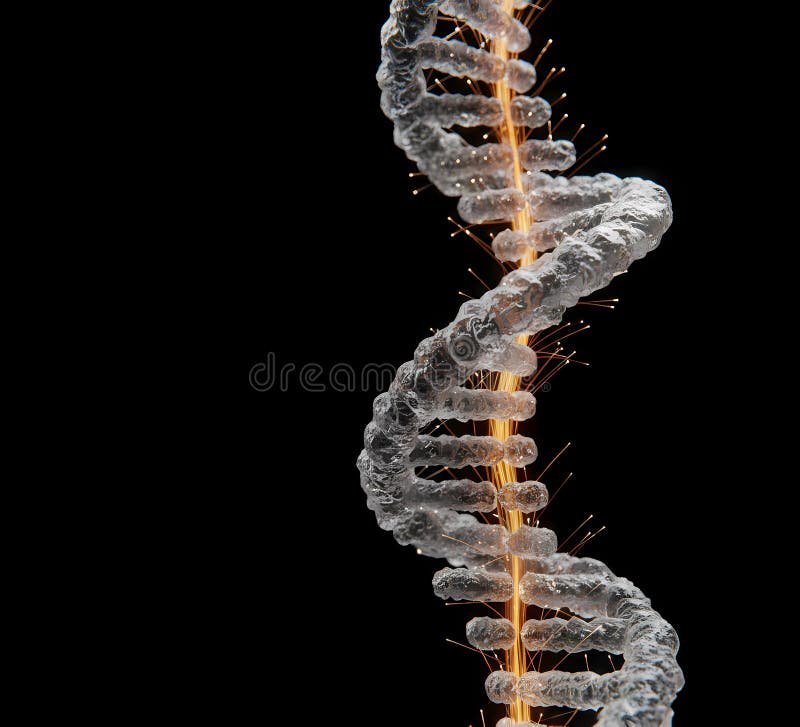
DNA double helix as physical information storage
DNA as matter holding instructions
Two

A leaf is parallel computing

5 inputs → adjust aperture Replicated × ~1,000,000 per leaf

Flip over a leaf.

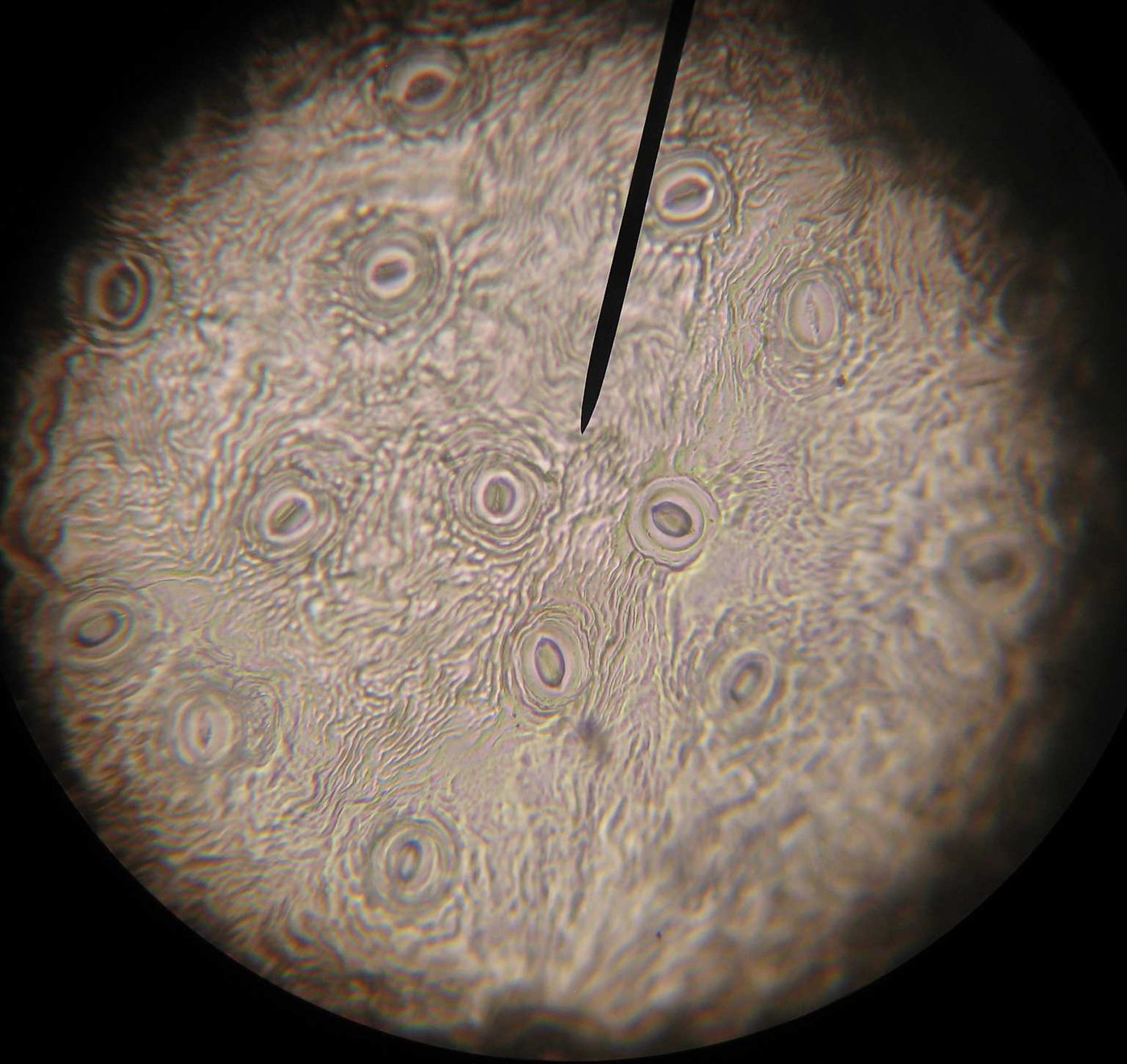
Its stomata are tiny valves constantly integrating light, humidity, CO₂, temperature, and water stress. A leaf is making millions of local decisions in parallel.

See it

Nature scales computation by distributing it everywhere.

Microscope image of stomata on a leaf
Leaf pores acting like local controllers
Three

Soil is voting

0 below quorum 1 above quorum

Pick up a little soil.

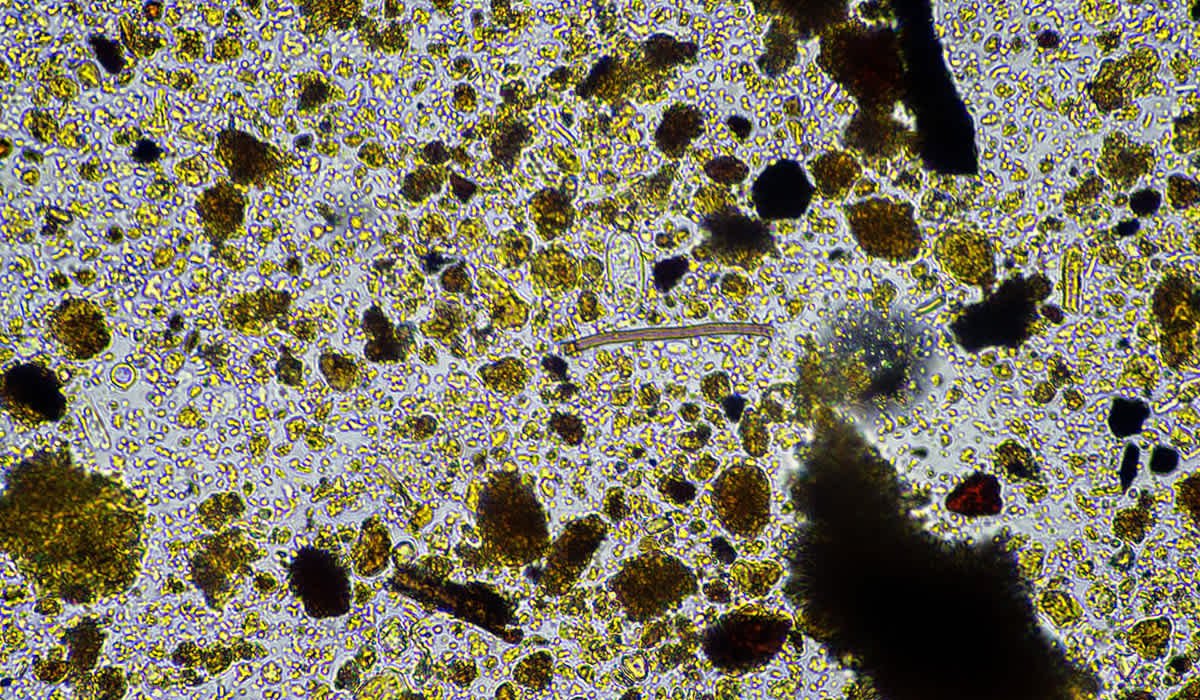
Bacteria release signal molecules and switch behavior when enough neighbors are present. That is threshold logic in a population.

See it

Nature computes collectively.

Microscope view of soil microbes
Microbes coordinating through signal molecules
Four

A tree stores climate data

1 good year 0 hard year

Look at tree rings.

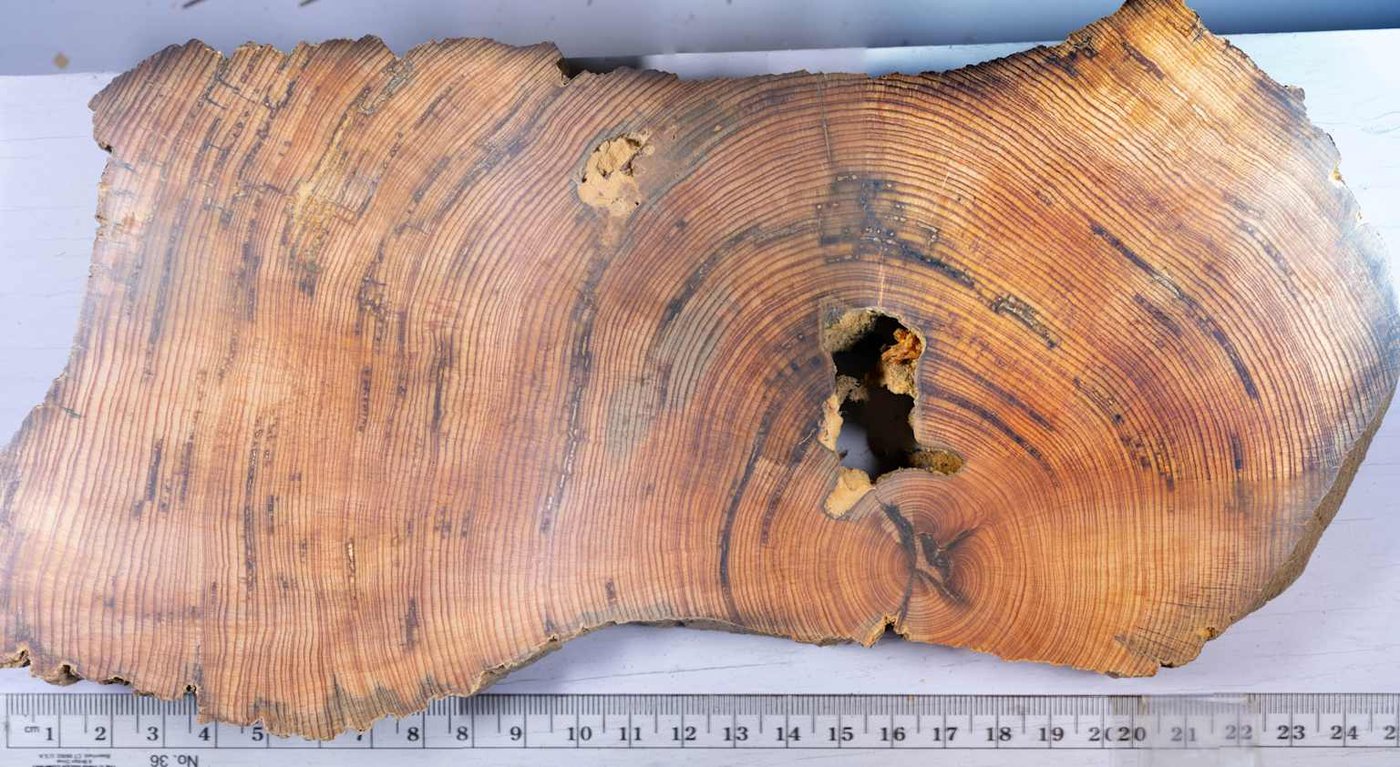
Each ring is a physical record of conditions that year—rain, temperature, drought, chemistry. A tree writes history into wood.

See it

Nature senses, stores, and preserves information in structure.

Tree trunk cross section with growth rings
Wood as environmental memory
Five

A seed is a decision tree

IF light + moisture + temperature are right 1 → germinate 0 → wait

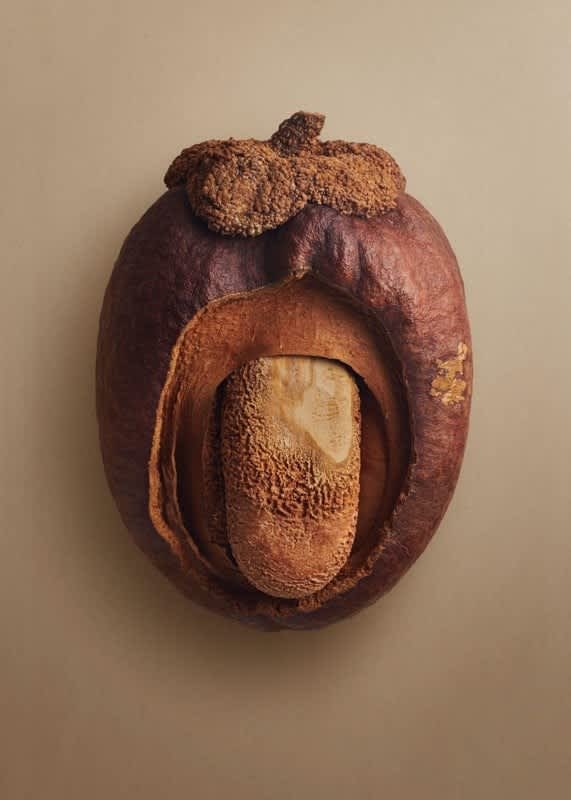
Hold a seed.

It integrates environmental signals and makes a one-time go/no-go choice. Germinate too early and it dies.

See it

Computation does not require a brain.

Macro image of a seed cross section
Stored logic waiting for the right signal
Six

A flock is live code

Rule 1 separate Rule 2 align Rule 3 attract

Watch birds turn together.

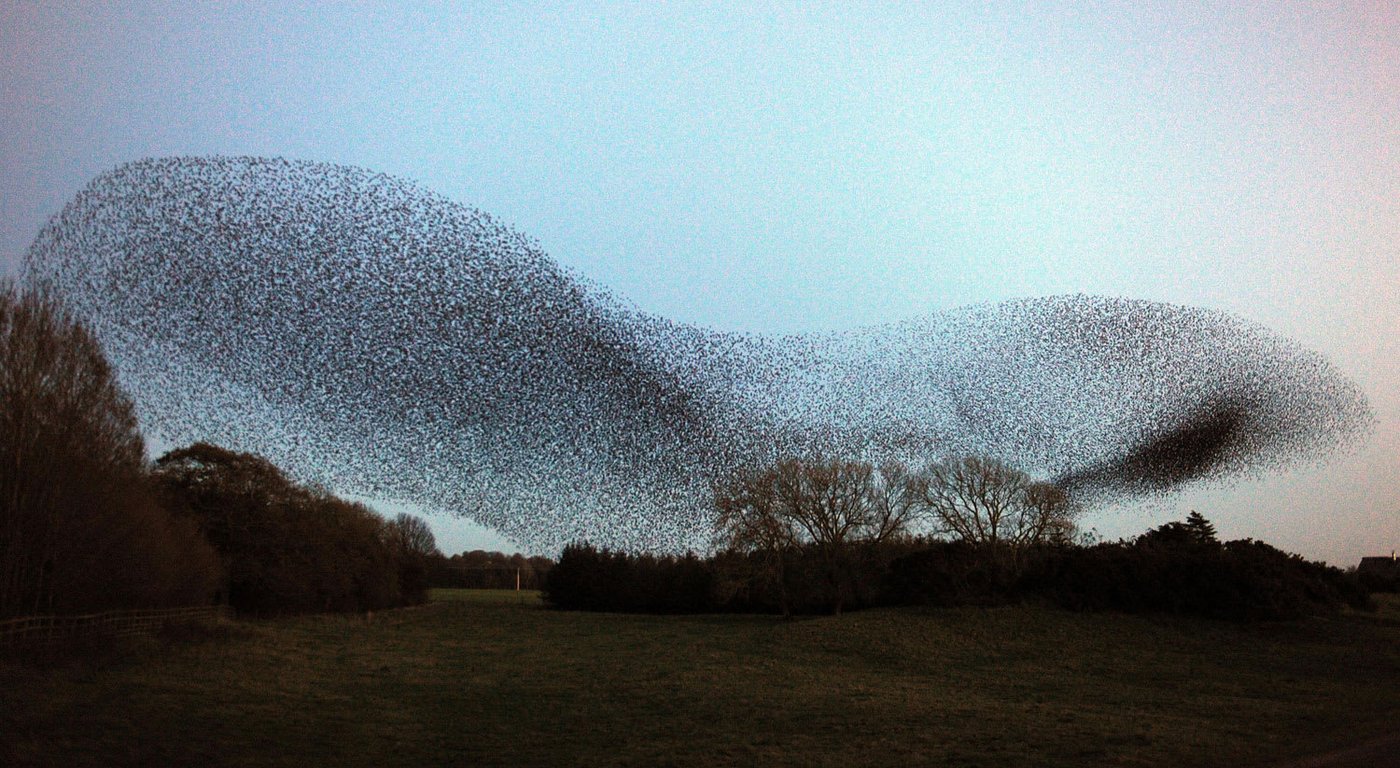
A few local rules create a global pattern with no central controller. Intelligence can emerge from simple coordination.

See it

Nature shows how distributed systems think together.

Starling murmuration in the sky
Distributed coordination without a leader
Seven

Your immune system is searching

bind → amplify miss → discard

Think about the last infection you beat.

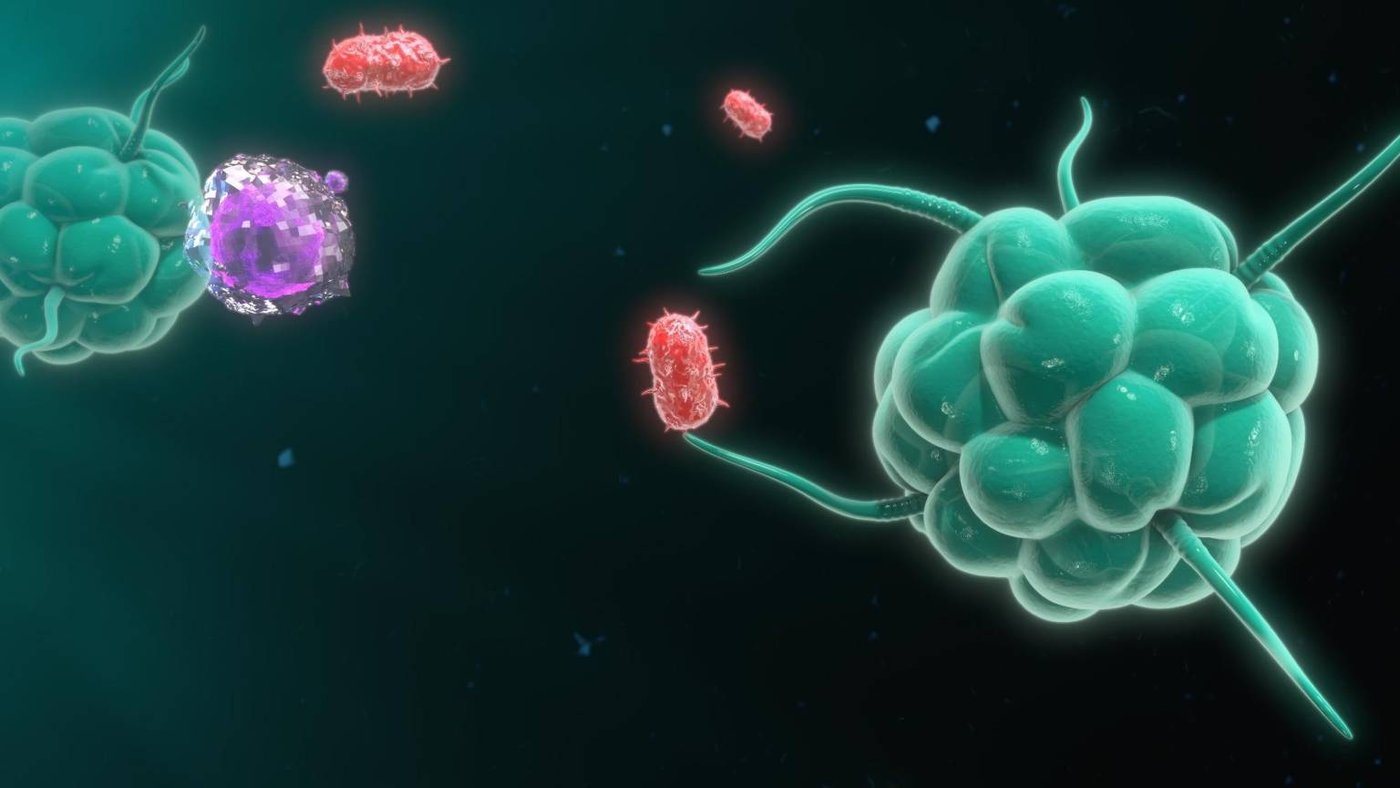
Your immune system generates candidate solutions, tests them, keeps what works, and remembers it. That is search, selection, and memory in living tissue.

See it

Nature solves problems by exploring possibilities and storing winners.

Illustration of immune cells
Biological search, filtering, and memory
Eight

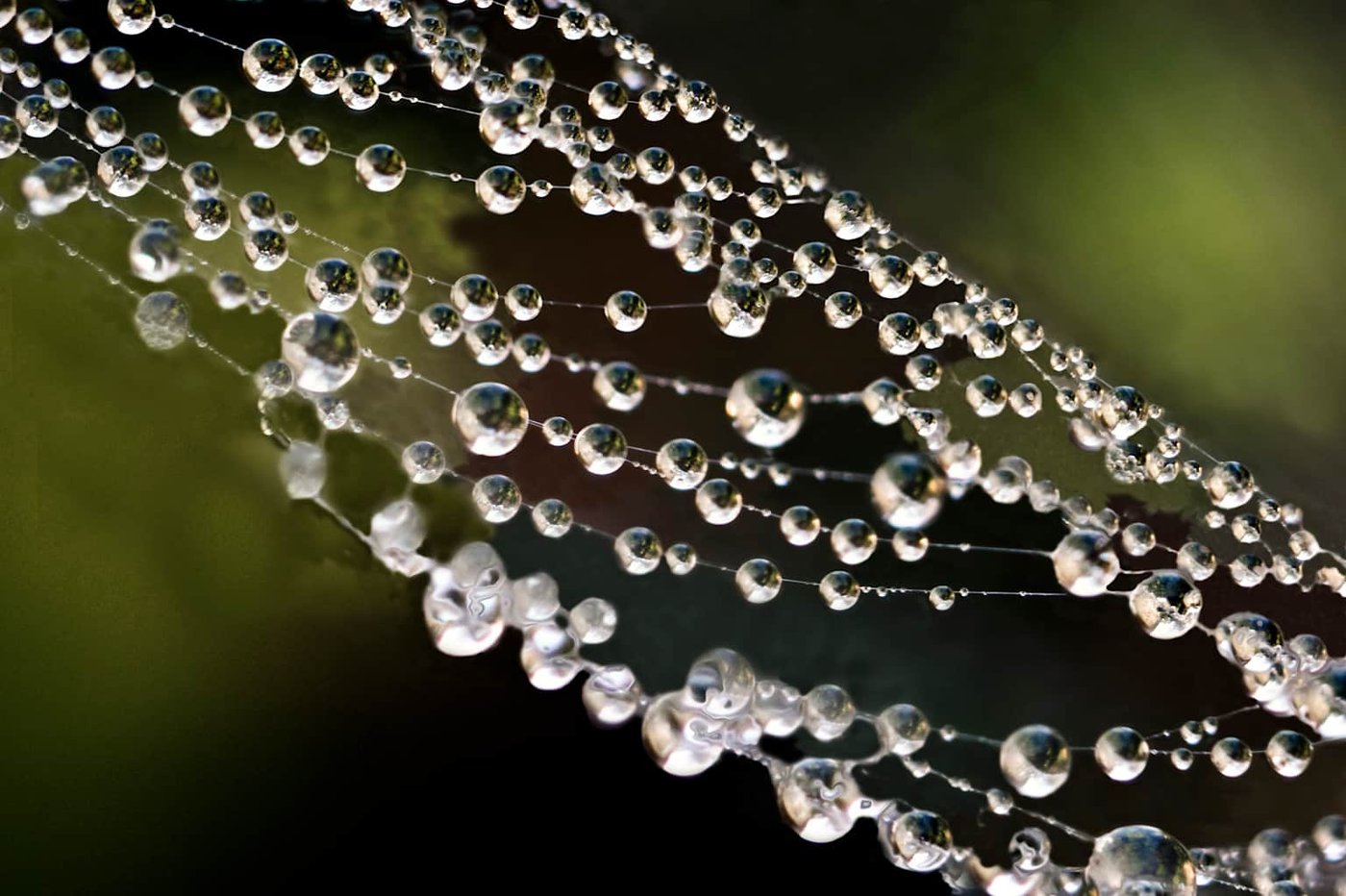
A spider web computes through structure

1 structure 1 sensing 1 signaling

Look closely at a web.

It is a trap, a vibration sensor, and a communication network at the same time. The intelligence is built into the structure.

See it

Good environmental intelligence should be embedded in the system itself.

Macro spider web with dew
Physical structure functioning as information system
Nine

The forest is networked

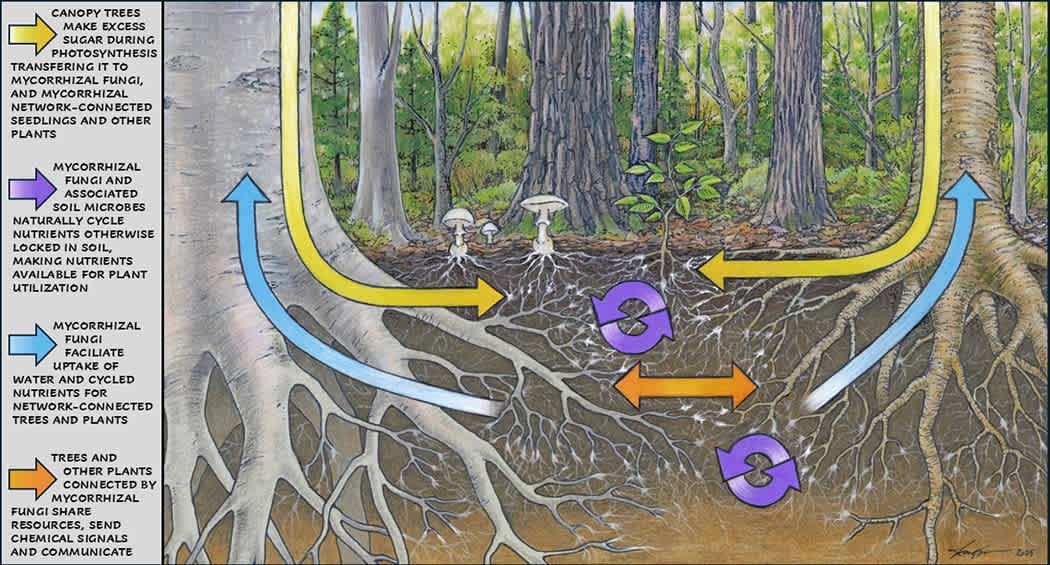
Tree A → fungal link → Tree B

Stand near several trees.

Fungal networks connect roots and move signals and resources across the forest floor. A forest is a connected system, not just a collection.

See it

Environmental superintelligence should read ecosystems as networks.

Illustration of mycorrhizal network connecting tree roots
Roots and fungi as a communications layer
Ten

Bits are cheaper than bonds

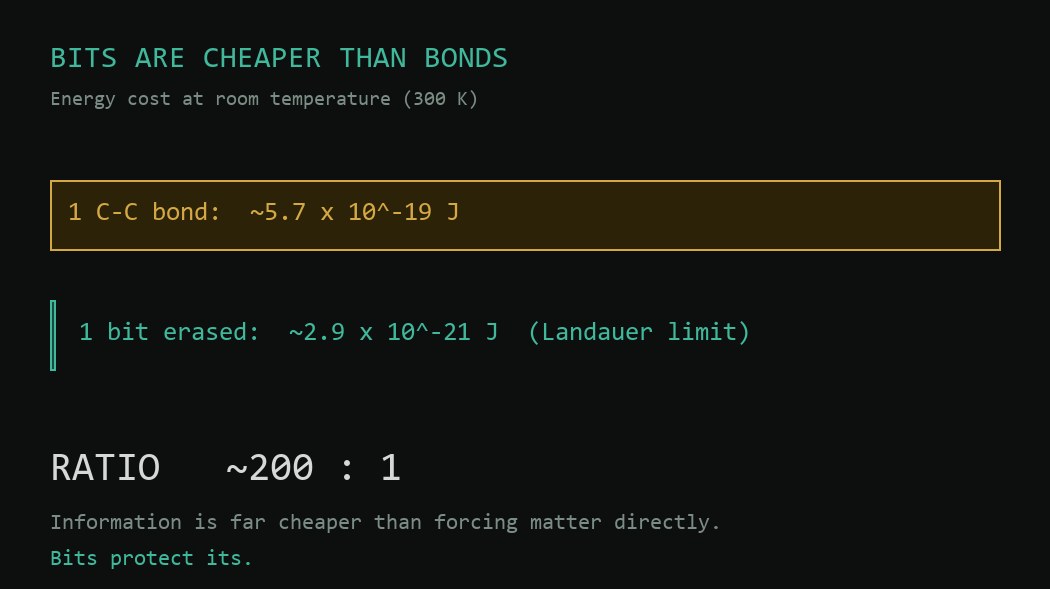
1 bit erased: ~2.9 × 10⁻²¹ J 1 C–C bond: ~5.7 × 10⁻¹⁹ J Ratio: ~200 : 1

Stand still for ten seconds.

Information is much cheaper than forcing matter directly. That is the bridge: use bits—sensing, modeling, prediction, coordination—to protect the physical world.

Landauer limit~2.9 × 10⁻²¹ J per bit
C–C bond energy~5.7 × 10⁻¹⁹ J
ImplicationBits protect its
See it

Nature computes. We compute. Compute together.

Diagram from experimental test of Landauer's principle
Information has a measurable physical cost
Nature computes. We compute. Compute together.

These exercises are designed to work on a walk, at a site, in a meeting, or in a classroom. The point is immediate perception.

Nature is sensing, storing, signaling, deciding, and coordinating. That is why environmental superintelligence is possible.

JedAnderson.org · Bits protect its.